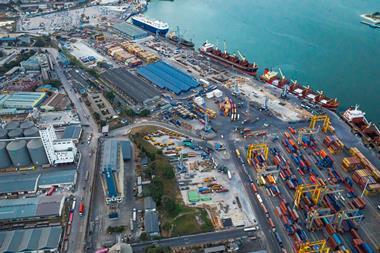
Ports of the United Arab Emirates are engaged in a flurry of activities to upgrade equipment and facilities on the back of an economic boom which has seen ports clogged up with both domestic products and construction materials.
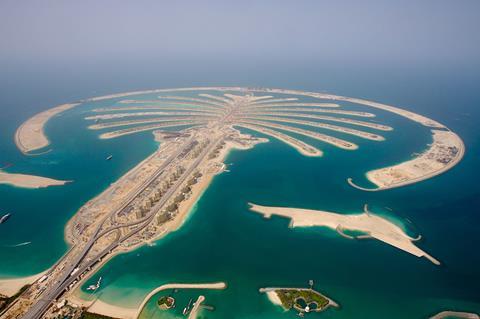
In the first half of the year, steel and iron imports to Abu Dhabi increased by around 70% with commodity imports rising by around the same amount. Some of the construction projects are truly huge. A domestic development in Al Raha Beach on reclaimed land will occupy an area of 6.8m square meters, while property developer Nakheel - behind the signature 'Palm' islands - is going to outdo itself again, by building a one kilometre tower and surrounding town, 'forming a new Dubai'. The entire project cost? Around $38.12bn.
But the ports are being put under pressure by construction in more ways than one: since the Dubai government started redeveloping the Port Rashid area for urban real estate and activities such as cruise tourism there has been knock-on congestion at Jebel Ali Port, the largest container terminal in the Gulf. This saw an increase in container volumes of 22% in the first half of the year, and the several days it was taking for ships to berth frustrated importers of perishable goods.
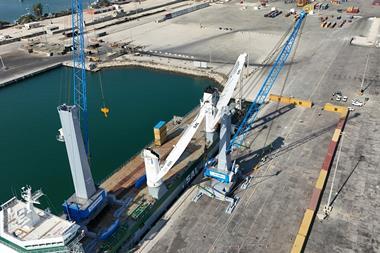
DP World has increased capacity via the installation of eight new tandem lift cranes and other equipment - but a recent ship call noted that it still took more than three days to discharge cargo.
There are also the new United Arab Shipping Co carriers to take into account - the company recently ordered nine 13,100 teu ships for delivery in 2010, which will mean some of the 3,800 teu range will move down to the feeder routes in Jebel Ali and Khor Fakkan.
Construction demand is also pushing Abu Dhabi's Mina Zayed close to capacity. Operations are supposed to be transferred to the new Khalifa Port and Industrial Zone in Taweelah in 2011, but some think that this won't be soon enough to stop the whole operation clogging up well before then - despite the operators, Abu Dhabi Terminals, assertion that they have room to juggle by reducing storage periods.
Gulftainer is also upgrading its facilities. Acquisition of post-panamax cranes and deepening the draught at UAE's Sharjah Container Terminal to 12.5 metres has allowed larger containerships to be serviced, while it is increasing docking capacity at Khor Fakkan Container Terminal on the eastern side of the emirate with an extra 800 metres of quay.