

Dutch shipbuilder Concordia Damen has secured a contract to build two methanol ready river cruise vessels for TUI River Cruises, with delivery scheduled for 2028.
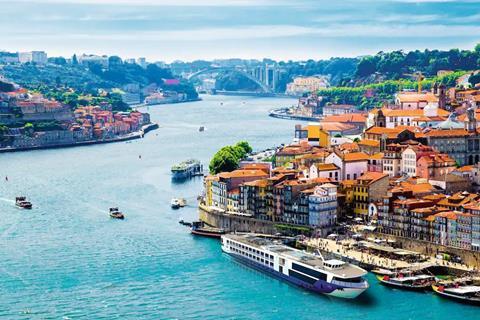
The newbuilds will support TUI River Cruise’s fleet expansion from six to 10 ships by 2028, strengthening its presence across Europe’s inland waterways, including the Rhine, Nile and Douro.
“Announcing our new-build ships marks a major milestone for TUI River Cruises and signals our continued investment in the future of our fleet,” said Katy Berzins, head of river cruises at TUI River Cruises.
“These new ships, purpose-built for our customers, reflect our ambition for growth and our commitment to delivering an elevated, modern river cruising experience.”
Future focused
Designed specifically for the UK market, the vessels incorporate future-focused technology and are prepared for the adoption of alternative fuels, reflecting growing sustainability ambitions within the river cruise sector.
The two CDS River Cruise 135 vessels have been developed using Concordia Damen’s in-house design and customised to meet TUI River Cruise’s operational requirements.
Alongside an innovative hull form and a range of technological enhancements, the ships have been constructed with methanol as a future fuel in mind, supporting the industry’s transition towards lower-emission operations.
Each vessel will feature 94 cabins accommodating up to 188 passengers, with interiors and onboard facilities designed to deliver a modern river cruising experience while maintaining operational flexibility.
The investment closely follows the christening of TUI Aria and underlines TUI Group’s strategy to expand its river cruise business in response to increasing customer demand.
This introduction of methanol ready vessels also highlights the growing role of alternative fuels in supporting more sustainable operations across Europe’s inland waterways.