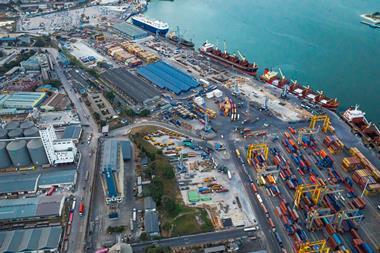


Intensification of fighting around Hodeidah in Yemen is choking the port which the aid operation and the commercial markets depend on, a UN relief chief has stated.
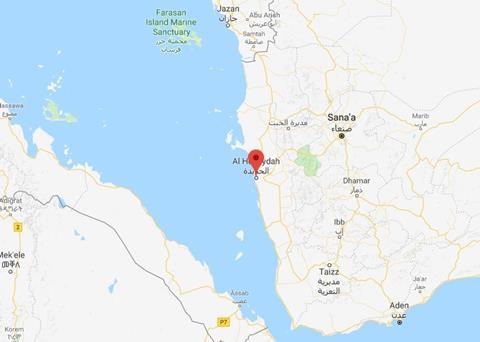
Mark Lowcock, UN emergency relief coordinator, last week told the Security Council that all parties involved in the civil war need to avoid further military activity around the Port of Hodeidah to protect its operations and the main supply of food and fuel coming into Yemen.
“It is far from clear that the recent intensification of fighting is producing any winners,” Mr Lowcock said. “It is, though, abundantly clear, all too abundantly clear, who the losers are: millions of Yemenis civilians, most of them women and children, whose lives are right on the line.”
Since 2014, the port has been in the hands of Houthi rebels who have been battling government forces aided by a Saudi-led coalition, which has been deploying war planes since fighting escalated in 2015.
Mr Lowcock explained that the Yemeni Rial has depreciated by around 30% within the last few months and because almost all the food consumed in Yemen is imported, that depreciation translates directly into a sharp increase in the price of food, making access to food even harder for civillians who haven’t been reached by aid operations.
He asked the Security Council for support in immediate measures to stabilise the economy and support the exchange rate; civilian stakeholders to protect civilians and civilian infrastructure, facilitate aid access to vulnerable people; and all parties to find practical solutions to key issues, including ways civilians in need of medical treatment can travel outside the country to receive it.