



RISEE act proposes sharing wind power returns
A reinvigorated legislative effort may propel the guts of The Reinvesting In Shoreline Economies and Ecosystems (or RISEE) Act into the Federal statutes.
The proposal, introduced by Senators Sheldon Whitehouse (D-Rhode Island) and Bill Cassidy (R-Louisiana), would enable revenues collected at the Federal level related to offshore wind activities to be shared with governments at the State level.
Presently, offshore wind related revenues all go to the Feds. Worth noting is the recent endorsement of the proposed legislation by the American Association of Port Authorities (AAPA). At a time that “all things energy-related” are important talking points for both sides in this election year, the ability for ports (managed typically at a regional or even local level, but not nationally at a Federal level) to develop new infrastructure, to augment existing facilities and transport links, and to manage environmental facets of port operation (dealing with local concerns), is critical. In a statement, the AAPA said: “Senators Cassidy and Whitehouse deserve tremendous credit for their bipartisan leadership on this smart proposal. AAPA urges Congress to swiftly pass this legislation before the year’s end.”
The growing US offshore wind presence has been led by developments in New England waters, while service vessel operators in the Gulf of Mexico (many based in Louisiana) are now seeking to transition parts of their fleets, historically serving the still vibrant oil and gas sector, to wind energy. Paradoxically, wind turbines out in deepwater are the “front-facing” part of the offshore wind business- “visible” media-wise, in spite of their distance from shore. But the landside facilities to support assembly and servicing (and energy transmission) are of vital importance. Indeed, onshore activity and the jobs it brings with it, is an “in your face” positive aspect.
While ports certainly benefit from project-specific initiatives sourced from the Federal level (grants for infrastructure, small ports, and security come to mind, along with vital functions of the U.S. Army Corps of Engineers), the planning for ports (including interfacing with transport serving hinterlands) is done regionally. So, I like the idea of diverting a greater portion of funds that otherwise would go to the Feds, down to the states, who are certainly more in tune with the more local concerns (and are likely participating in, or closely monitoring, planning). Environmental and coastal resilience issues, likewise, can be better addressed when more specificity is infused in planning.
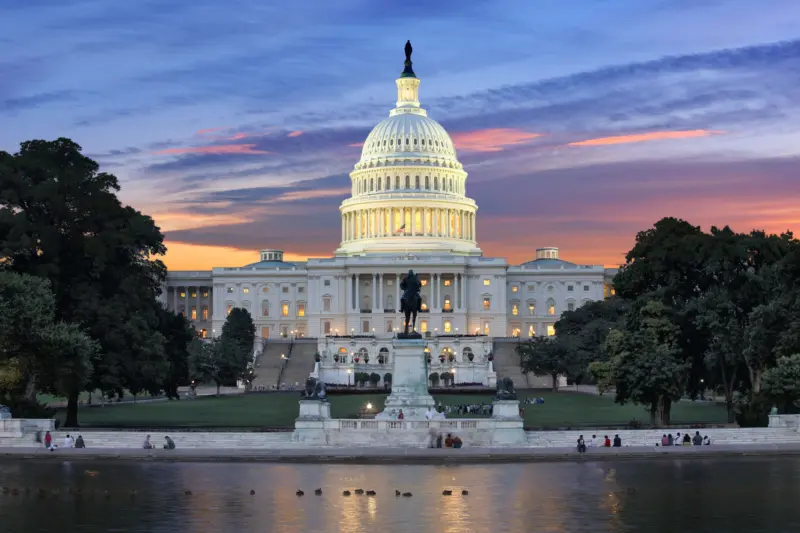
At the time of writing, it is unclear whether the RISEE act wording will be written into pending legislative bills, after a near-miss during the summer. Hopefully, the substance of RISEE (kicking around Capitol Hill in various forms since 2021) will soon be infused into the Federal codes.
Related Articles
 INSIGHT & OPINION
 INSIGHT & OPINION
 INSIGHT & OPINION