![PortStrategy[GreenPort]](https://www.portstrategy.com/wp-content/uploads/2026/09/PortStrategyGreenPort.svg)


Panama canal problems: micro and macro
It is interesting to note the detailed remarks of SagittaMarine, a dry bulk operator primarily active in the handy-ultramax segments…
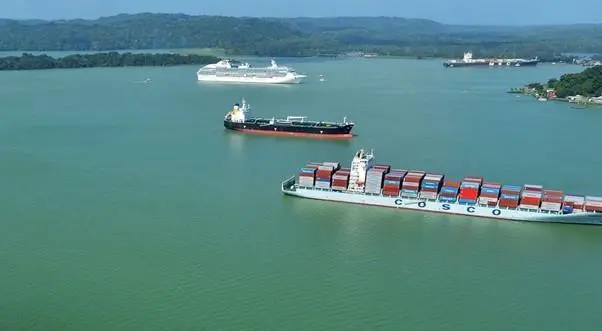
It is interesting to note the detailed remarks of SagittaMarine, a dry bulk operator primarily active in the handy-ultramax segments, about the impact of low water levels on the performance of the Panama Canal during August. There are the upfront problems but also what it cites as a knock-on effect on the global economy.
The company reports: “Delays at the Panama Canal averaged about 15-19 days per vessel in the first week of August, with low water levels in the Gatun Lake restricting the numbers of fully-laden vessels able to make the transit.” As a result of this it went on to say that it believes the delays are causing inflationary pressures for shippers forced to consume more fuel on longer voyages.
“The Panama Canal is a vital trade route for our industry, and the current delays are having a significant impact on our operations,” underlined Thomas Zaidman, Managing Director of Sagitta Marine. “We are seeing congestion in several ports in South America and the canal but still the demand side is so depressed we don’t see the expected market reaction despite the pressure on the supply chain.”
The company, headquartered in Mexico, further observed: “Already low water levels at the Gatun Lake are continuing to decrease amid the dry season and the canal authority has said that limiting transits is a necessary measure so that additional draft restrictions could potentially be avoided. Climate change is also contributing to unpredictable levels of rainfall, exacerbated by this year’s El Nino.”
The delays at the Panama Canal, SagittaMarine believes, are having a ripple effect throughout the global economy. Ships that are delayed in the canal are forced to take longer routes, which increases fuel costs and shipping times. This can lead to higher prices for consumers and disruptions in supply chains.
Longer term, Zaidman underlines the industry will need to continue to reduce its climate footprint and contribution to global carbon emissions. This is driven by commercial interest as well as concern for the environment.
“The Panama Canal delays are a reminder of the urgent need to address climate change. The shipping industry is one of the most vulnerable sectors to the impacts of climate change, and we need to take action to reduce our emissions and mitigate the risks,” he emphasises.
Related Articles
 CONTAINER & CARGO HANDLING
 INSIGHT & OPINION
 INSIGHT & OPINION