![PortStrategy[GreenPort]](https://www.portstrategy.com/wp-content/uploads/2026/09/PortStrategyGreenPort.svg)




Strikes, diversions and market outlook
The container shipping sector has been through a few volatile years.
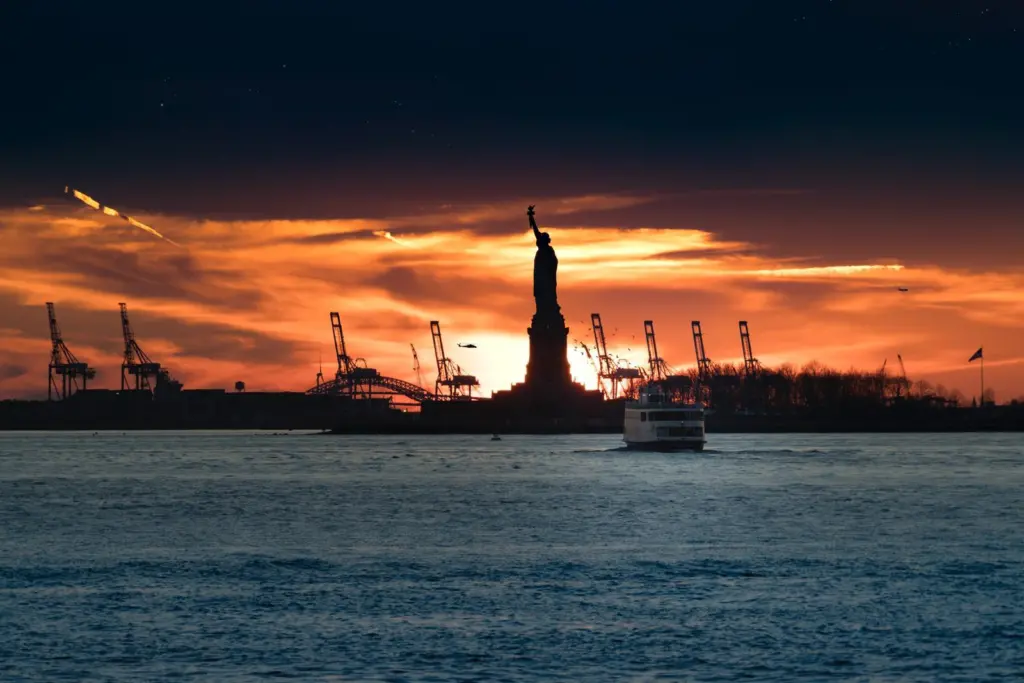
The container shipping sector has been through a few volatile years. First, Covid-led disruptions resulted in a massive increase in shipping demand as port delays turned over the supply-demand balance. The result – massive windfall earnings for the lines. This, in turn, led to another round of ordering of the largest class of container ships as the emphasis on ‘market share’ once again came to dominate.
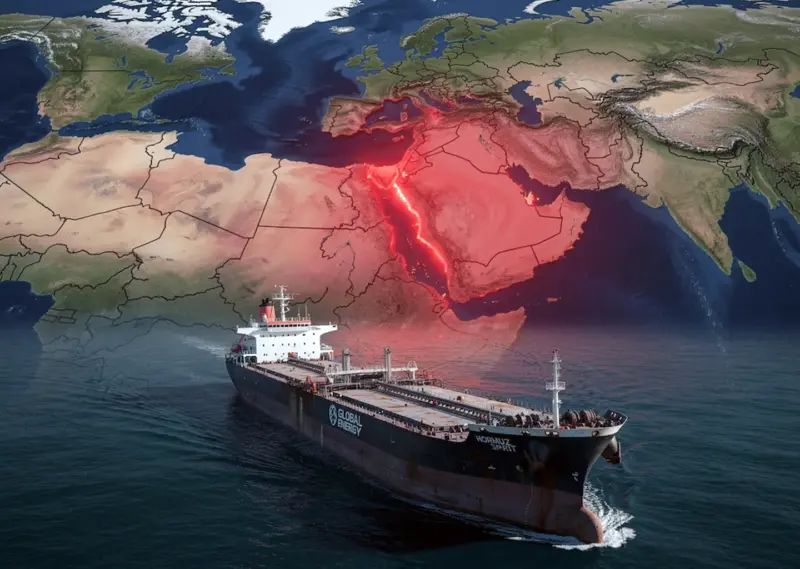
Before equilibrium could return the Houthi menace in the Red Sea provided a further increase in tonne-mileage demand, with this superimposed on some underlying demand growth. Once again, a spike in freight rates was the result.
Now we are looking at the threat of strikes in the Atlantic US and Montreal. Once again, the threat of disruption to supply chains is being manifested in higher freight rates. At the time of going to press, the position was unclear as to the duration of the disruption but it is certainly the case that (some) shipping lines were looking forward to the potential that a prolonged upheaval would have on freight rates – and their bottom lines.
None of this really disguises the underlying position. There are far too many vessels on order, and these are mostly concentrated on the very largest size ranges. In October both CMA CGM and MSC had orderbooks that accounted for around 30-35 per cent of existing capacity. For the fleet as a whole, the figure is currently around 28 per cent. Where will this tonnage be deployed? It is interesting to note that, until recently, both Maersk and Hapag Lloyd – the two members of the new Gemini alliance – have avoided this strategy with a more limited orderbook approach, although there are well founded rumours that both Hapag and Maersk will place a massive order for the largest classes of vessels in the near term.
OUTLOOK PROBLEMATIC
Whatever strategy is followed there’s an element of the ‘prisoner’s dilemma’ here. It is certainly the case that over-tonnaging is inevitable and this can only result in a freight rate downturn as new tonnage is delivered. Indeed, any demand dislocation could turn this downturn into a collapse. Major lines are faced with a decision; either increase fleet capacity (and add to the scale of the forthcoming problems) or sit on their hands and see market share erode sharply. A review of line strategies shows that most lines have opted for the former.
However, no line is insulated from market fundamentals. A shipping downturn will impact both the prudent and the reckless as no line has sufficient capacity to buck underlying trends. The outlook is highly problematic.
What does this mean for ports and terminals? Recent discussions have once again disinterred – or reanimated – the debate between direct and feeder strategies – see Brave new World. But this is probably beside the point. For container terminals the basic position will be that lines are under pressure and will seek to offload some of this pain onto stevedores. We have seen this before, but their scope for manoeuvre is limited. Lines have invested in terminals, and this may well offer some protection, but it is more likely that as lines haemorrhage cash, they will seek to liquidate some of these investments.
Watch this space, interesting times ahead…
Related Articles
 CONTAINER & CARGO HANDLING
 INSIGHT & OPINION
 INSIGHT & OPINION