![PortStrategy[GreenPort]](https://www.portstrategy.com/wp-content/uploads/2026/09/PortStrategyGreenPort.svg)





Container flows shift back to Asia
The global container market is entering a new phase of rebalancing, as equipment flows begin shifting back towards Asia, tightening availability across Europe despite ongoing congestion.
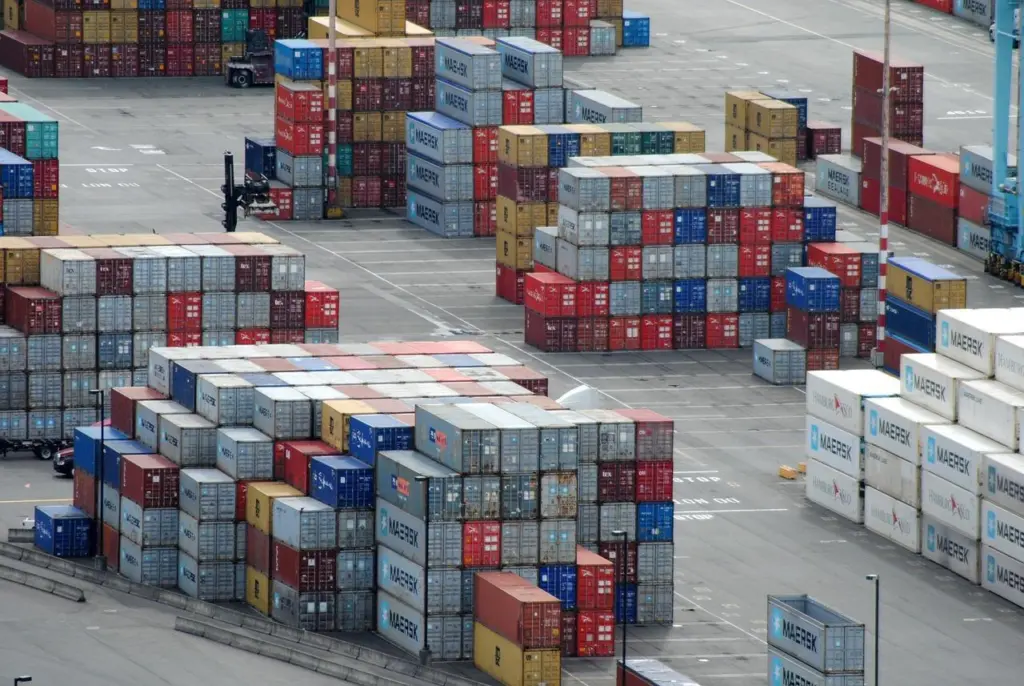
According to insights from Italy-based global container provider, Sogese, carriers are accelerating repositioning strategies to return containers to origin markets, particularly China, where demand and pricing signals are strengthening.
“What we are seeing in the market is a clear directional shift in container flows,” said Andrea Monti, chief executive & managing director of Sogese.
“Depots across Europe remain congested, while prices and demand signals in China are strengthening. Carriers are actively repositioning equipment back to origin, and this is likely to reduce European stock levels in the near term, particularly for 40HC, as production and demand begin to align again.”
For much of early 2026, Europe has faced elevated depot congestion and extended dwell times, creating an apparent surplus of containers. However, this imbalance is now being corrected as repositioning gathers pace, with high-cube (40HC) units expected to be most affected due to their importance in long-haul trade.
The shift is being driven not only by demand at origin but also by structural inefficiencies across global shipping networks. Longer transit cycles, inland bottlenecks and port congestion are slowing container circulation, increasing the time required for equipment to complete each journey.
This dynamic is creating a disconnect between visible stock levels and actual equipment availability, as containers remain tied up in transit or delayed across supply chain nodes.
The report highlights a broader reconfiguration of shipping networks, with disruptions extending into mainline Asia–Europe services. Routing, scheduling and capacity deployment are becoming increasingly fluid, while rising operational risks such as fuel costs, insurance and rerouting are shaping pricing dynamics.
In markets such as Italy, stable throughput masks growing operational pressure, with delays, inconsistent equipment access and longer shipment cycles affecting efficiency and working capital, particularly for smaller operators.
Related Articles
 EQUIPMENT
 OPERATIONS
 OPERATIONS