![PortStrategy[GreenPort]](https://www.portstrategy.com/wp-content/uploads/2026/09/PortStrategyGreenPort.svg)




IFRS-S2 game changer
Jaret Fattori, Programme Director, Climate & Environment, BMT, considers how port management strategies are evolving in response to Climate Risk and TCFD Reporting, and what the implications are for operational resilience and corporate responsibility?
In the dynamic intersection of environmental stewardship and global commerce, the maritime industry, particularly port authorities and terminal operators, is witnessing a pivotal transformation. The dual imperatives of addressing climate risk and adhering to upcoming climate reporting requirements are catalysing a significant shift in management strategies. This shift is not only redefining operational resilience but also recalibrating the essence of corporate responsibility within this vital sector.
The last decade has seen an exponential surge in the demand for logistics services, driven by robust freight-forwarding needs across various industries and a consumer-led explosion in e-commerce. This demand has positioned ports at the vanguard of climate action and innovation.
Given that over 80 per cent of the volume of international trade in goods is transported by sea, the role of port operators in crafting sustainable and future-ready terminals for intermodal users is more critical than ever[1]. Amidst a backdrop of rising greenhouse gas emissions from the transport sector, which saw a four per cent increase in 2022, ports stand as key influencers in the journey towards sector-wide decarbonisation.
Traditionally, ports and terminals have pursued sustainability through initiatives aimed at decarbonising operations and fostering low-carbon transportation networks, epitomising corporate responsibility. These initiatives served as a testament to an organisation’s dedication to regional sustainability and environmental conservation. However, the emergence of new reporting standards, such as the International Financial Reporting Standards (IFRS) S-2 on climate risk, mandates a paradigm shift. This framework underscores the need for a comprehensive understanding of climate change’s impact on entities, spanning asset management, financial robustness, and operational resilience.
IFRS-S2: DIFFERENT ESG FRAMEWORK
IFRS-S2 specifically, absorbing the previous Task Force on Climate-related Financial Disclosures (TCFD) framework, is tailored to climate related risks and opportunities, and is therefore slightly different from other Environmental Social Governance (ESG) frameworks that exist. It largely seeks to evaluate how the climate will affect the business/organisation, instead of employing the corporate responsibility lens of how the business/organisation will influence the environment. As such, governance around these risks seek to establish the operational resilience of the business to the risks posed by climate change. These risks may be in the form of physical impacts, health and safety, market trends, and access to financing, among others, and are being assessed by investors who want to ensure they are aware of all vulnerabilities affecting an organisation.
This necessitates a more reflective approach to management strategies, compelling ports to assess not only their influence on the climate but also the reciprocal effects of climate variability on their operations. Efforts like integrating resilient design into port infrastructure, updating maintenance and operations plans to reflect changing climate conditions, electrifying port-handling equipment and implementing energy-efficient warehousing are foundational steps toward minimising a ports exposure to physical and transitional risks.
Yet, the maritime sector’s broader shift, marked by the advent of part-battery-operated vessels and governmental funding for zero-emission ships, heralds a deeper transformation. The growing inclination towards domestic inland shipping, which promises significant reductions in road traffic, highlights the transformative role of ports in sculpting a sustainable logistics framework.
The journey to net-zero practices demands substantial investments in infrastructure, from the installation of docking station charge-points to the provision of alternative fuels like hydrogen or ammonia.
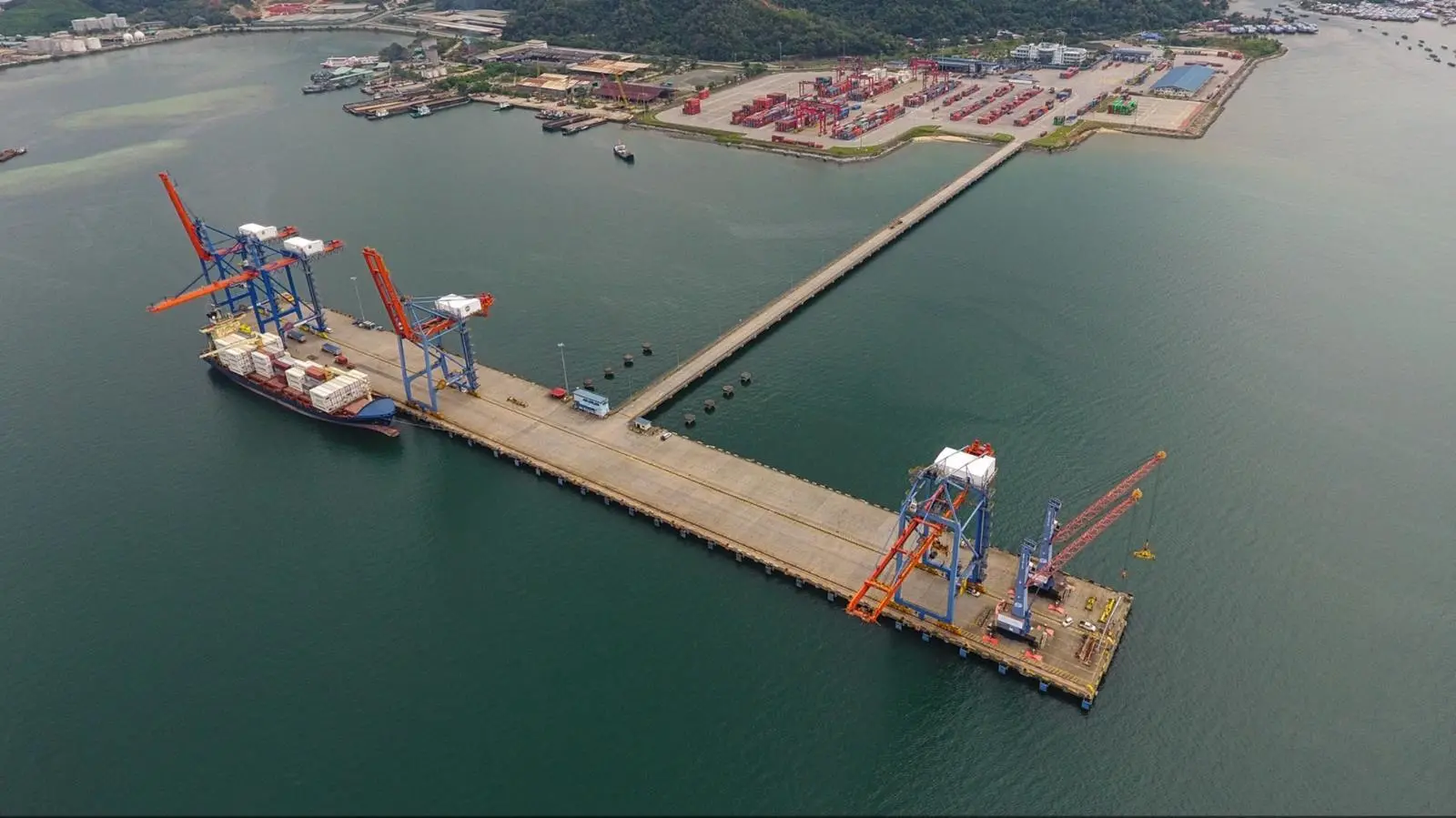
Leveraging automation, machine learning, and robotics presents cost-effective solutions to labour shortages, bolstering safety and ensuring continuity in supply chains.
The progression towards Smart Ports, characterised by digitalisation and enhanced freight movement visualisation, aligns with broader climate management efforts, offering a comprehensive vision for the future of port operations.
However, this transition toward net-zero and digital modernisation is not devoid of challenges. The inherent risks associated with new fuels, such as hydrogen, including safety and operational hazards, alongside the imperative to consider the full lifecycle emissions of alternative fuels, pose significant hurdles. The intricacies of carbon accounting and the imperative to delineate liability for environmental pollution across the freight journey are crucial in precluding litigation and facilitating a seamless transition to sustainable practices.
Anticipating and mitigating physical climate risks, from coastal erosion to extreme weather phenomena, is essential for safeguarding ports and their assets. Furthermore, evaluating an organisation’s reliance to upstream dependencies such as supply chains, utility networks, workforces can help identify further risks, and highlight areas to improve management and strategic decisions.
TRANSFORMATION ANTICIPATED
Looking forward, the port landscape is poised for a transformation driven by net-zero objectives and digital imperatives, shaped by stakeholder expectations, regulatory mandates, and the pursuit of operational efficiency. Yet, this forward march requires a nuanced balance between seizing emergent opportunities and adeptly navigating the complex maze of operational and logistical challenges.
Collaboration stands out as a pivotal strategy in this context, fostering innovation and fortifying the resilience of ports as they evolve into sustainable, interconnected nexuses of future transportation. By adopting a holistic approach that addresses both climate change and digitalisation, port operators can redefine their roles in the global supply chain, ensuring enduring relevance and leadership amidst the evolving environmental and technological landscapes.
In summary, the ongoing evolution of management strategies in ports, prompted by climate risk and climate reporting, signifies a fundamental shift towards enhanced operational resilience and a reimagined scope of corporate responsibility. With authoritative entities like BMT at the helm, the maritime sector is well-placed to navigate the multifaceted challenges and opportunities presented by climate change, ensuring that ports remain indispensable pillars of global trade and environmental guardianship.
Specifically, BMT’s advisory role in climate risk analysis and climate disclosures underscores its commitment to enhancing transparency and uniformity in climate-related disclosures. With IFRS-S2 mandates gaining traction globally, BMT’s services in carbon accounting and climate risk are invaluable for clients aiming to meet IFRS-S2 and ESG objectives.
[1] Review of Maritime Transport 2023, UNITED NATIONS CONFERENCE ON TRADE AND DEVELOPMENT, 2023.
Related Articles
 EQUIPMENT
 OPERATIONS
 OPERATIONS