![PortStrategy[GreenPort]](https://www.portstrategy.com/wp-content/uploads/2026/09/PortStrategyGreenPort.svg)




LET ‘DERIVED DEMAND’ BE THE DRIVER OF MARKET ADJUSTMENTS
Supply chain slowdowns, with the dozens of vessels anchored off the LA-LB ports complex, have made it into every major media outlet.
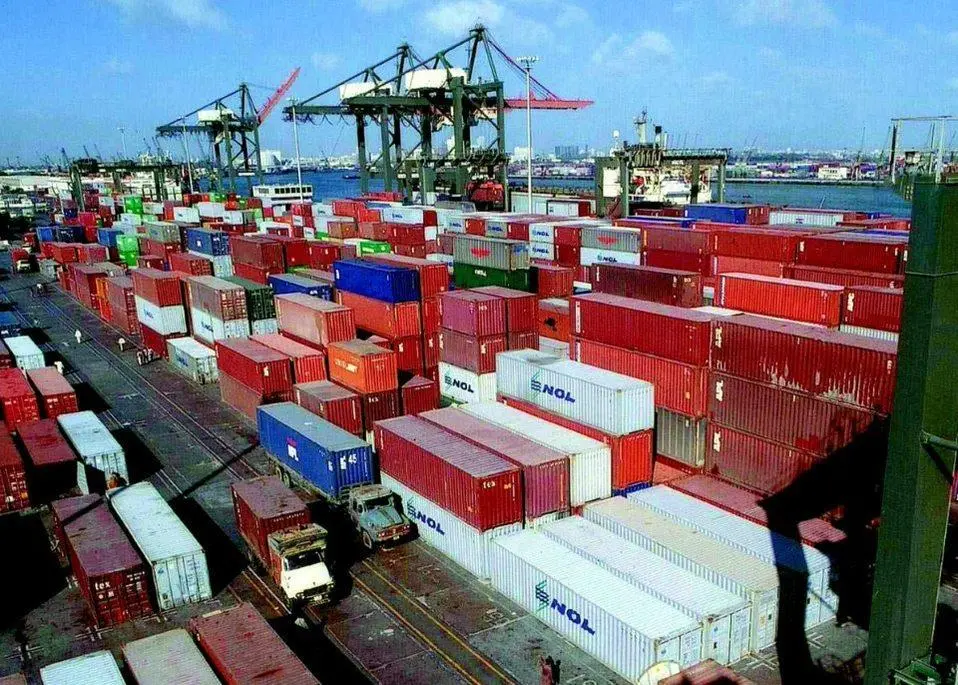
The possible linkage of vessels’ anchors dragging an underwater pipeline, with a resultant oil spill, have led to further attention on the industry.
All the disruptions have not been lost on legislators in Washington DC who, urged on by cargo interests (and some terminal operators), have pointed their finger at the carriers. This unholy alliance (forged by convenience and frustration with land-based transport issues) has led to efforts to reverse regulation of the carriers that took root in the 1980s and 1990s. Nostalgic readers may remember paper books of tariffs.
Shipping and other transport modes have historically been bastions of free market principles in action. Indeed, back in my college days, for “Economics 101” or equivalent, I wrote papers (older readers might remember electric typewriters) on shipping related matters.
I am not a fan of economic regulation. Transport markets see “derived demand” which comes about from numerous external influences going way deep into supply chains; the events of the past two years have been extreme, and their alignment has been unprecedented- leading to volatility and sharp upward spikes in all the headline rates. While the ‘boffins’ will dispute which container rate index is the correct one to use, they are all at substantial multiples of where they were pre-pandemic. During the darkest days of Spring 2020, the carriers came under fire for “managing capacity”; this is not lost on legislators writing bills, or on cargo folks feeding their observations from the trenches to Capitol Hill.
Markets have a habit of correcting, just as cargo flows can shift in response to economic factors.
Many critics of the carriers have short memories, the listless market conditions (with headline rates of US$2,000/box versus the recent US$15,000/box, approximately) pre 2020 have disappeared from the radar.
When the widened Panama Canal opened, lowering costs for boxes moving from Asia to the States, cargo did indeed migrate to US Gulf and US East coast destinations. With the backups at Pacific ports, we’ve seen the flows adapt to the new 2021 realities. Savannah’s anchorage has become more crowded. Ports in Florida have recently been imploring cargo shippers to bring their boxes through the Sunshine State.
If regulation comes about, it may take a decade, or more, to unwind it. Meanwhile, all the coincidences that have led to our recent surges will settle back to where they were, making adjustments to cargo flows along the way. Then, once all those big mega-ships begin to get delivered, look to further downward pressures on costs that come with the efficiencies of larger vessels. So, let market forces do what they do best and correct back to an equilibrium.
Related Articles
 INSIGHT & OPINION
 INSIGHT & OPINION
 INSIGHT & OPINION