![PortStrategy[GreenPort]](https://www.portstrategy.com/wp-content/uploads/2026/09/PortStrategyGreenPort.svg)



Politization & digitalisation, promising bedfellows
As predicted in the previous issue, the one certainty for port planners is going to be uncertainty, and unpredictability, at least for a while.
The levels of tariffs, and their impacts on goods flowing, are the subject of “on the sidelines” discussions at international events and “private” communications- punctuated by the occasional and highly edited “readout” from some governmental official. Then we have the US Trade Representative (USTR) and the “fees” on vessels calling at U.S. ports (a different form of tariff)- which showed some reasonableness, fine-tuning its proposals on exactly which vessels might be impacted. The next chapter of the USTR saga concerns cargo handling equipment- those in the know have pointed, in their comments (and presumably in their upcoming testimony) to the limitations in domestic manufacturing capabilities. My expectation is that the USTR will listen, and come up with a sensible time-frame, if the Section 301 measures go forward.
Readers may wonder why there is no outrage in this column. New York real estate matters have been handled this way for decades, so- from where I sit (with good views of the tall buildings, and also the vessels moving around), I am not completely surprised about the style- which flows down from the top. Ultimately, things will quieten down, the yelling will stop, and deals will be struck. Regarding the flows of goods, and which ships bring them in (or out), it is worth reiterating that flexibility is a paramount consideration; in a business that has been dominated by “infrastructure” style longer term investments, this may take some getting used to. But here we are.
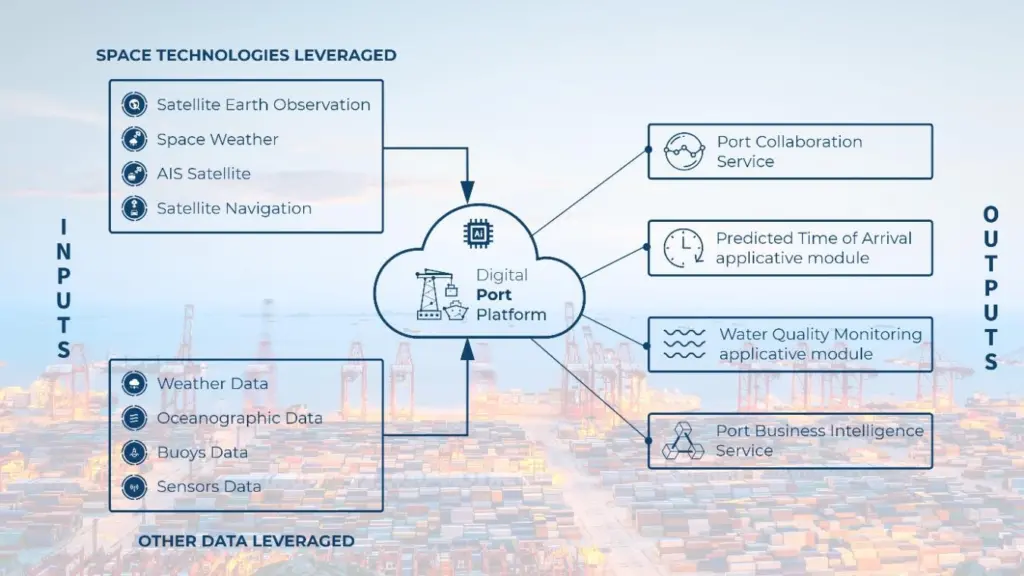
A few of the larger ports have developed digital platforms which could be at the leading edge of new planning tools for port managers. Data on what cargoes are set to move, are on the water, and what volumes, and what timing, is indeed out there. Vendors often tout their cool-sounding underlying technologies, at the expense of focusing on what really matters- which (in my opinion) is the ability to interface with all manner of planning tools. I have not seen the vendors grab on to these connections just yet, so the ports could certainly take this initiative.
In recent years (post blockchain but pre- AI), the big liner operators have failed to unify their platforms, but now, with more “variability” in cargo flows, it’s time for the ports to raise their voices on this issue. The melding of politization with digitalization may not be a bad thing.
Related Articles
 INSIGHT & OPINION
 INSIGHT & OPINION
 INSIGHT & OPINION