![PortStrategy[GreenPort]](https://www.portstrategy.com/wp-content/uploads/2026/09/PortStrategyGreenPort.svg)




REPUTATIONAL CONSIDERATIONS
COMMENT: When describing shipping matters, clichés such as “best of times/ worst of times” are abounding at present, writes Barry Parker.
While the dimmed fortunes for many of the liner companies, blanked sailings and all that, are getting much of the attention, developments in the energy world are worth noting.
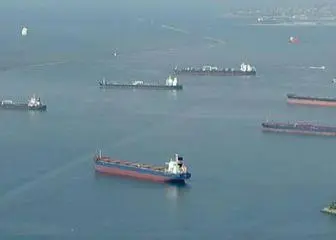
A recent news highlight has been the hordes of tankers anchored at roadsteads of major ports – and featured on mainstream media in prime-time slots.
Even though media commentators have described the buildups as “floating storage”- they may more properly be labeled as “congestion” with filled tanks at oil refineries preventing the discharge of the vessel.
In the tanker world, however, the excitement is shifting from crude oil to materials moving in mid-sized and smaller vessels. One well known entity in the refined products trades, the listed company Scorpio Tankers, is talking to investors about a pending “super-cycle”.
Admittedly stock picking is not in my wheelhouse, but the shifting supply chains, already in progress, bear some attention. The gist of the “products story” is that cargoes of smaller sizes will be shuttled between ports more frequently.
As businesses have shut down, and are now re-starting, the narrative has shades of “IMO 2020” (where patterns of moving distillate fuels around were predicted to be erratic) on steroids.
With automobile traffic beginning to increase, according to analysts including Rystad Energy, gasoline movements around harbors will begin to increase.
However, because of the landside storage situation, vessels will be waiting, cargo orders will shift, and traders will become more “creative” in their landside and barging arrangements.
Media coverage of the buildup along the West Coast (while confusing storage with congestion but we will cut them a break on that) has highlighted cooperation among local stakeholders, including the U.S. Coast Guard, monitoring anchorages and local maritime interests.
While cargo sourcing dynamics evolve, it will be important for all interests in the ports to pay attention to hydrocarbon supply chains. Yes, these are quite often the province of private terminals (though some may rent waterfront quays and landside space from landlord ports) but cooperation, always important, will be vital.
As I’ve written previously, in different contexts, industrial commodity movements are highly price sensitive, but “reputational considerations”- including the responsiveness of all concerned to disruptions (including those tied to crewing matters, grist for a whole separate article) and to shifting trade flows, do matter.
And where cargo flows are “discretionary” (a word borrowed from the liner side), hard core commodity traders may not admit it, but reputations are indeed part of the matrix for choosing a port.
Related Articles
 INSIGHT & OPINION
 INSIGHT & OPINION
 INSIGHT & OPINION