![PortStrategy[GreenPort]](https://www.portstrategy.com/wp-content/uploads/2026/09/PortStrategyGreenPort.svg)






Embracing reefer trade
The West Coast of South America is a key part of the reefer supply chains providing many different products to global markets. AJ Keyes assesses why Chile and Peru are so integral to these trade lanes
According to specialist information provider, Data&, the global reefer market is expected to generate almost US$12bn in revenues in 2025, with continued future growth of more than 7.5% per annum over the next 10 years seeing the total surpass US$20bn.
Chile and Peru have long been recognised for agricultural diversity and a favourable climate. Both are key players in the reefer market, producing and exporting fresh fruit and other perishable goods to markets around the world. So, why are these two countries so integral to the reefer trades?
Table 1 offers an overview of the scale of activity from these two locations relating to reefer commodities and values of exports.
Table 1: Reefer Commodity Export Activity for Chile and Peru in 2023
| Country | Commodity | Export Value US$ | Share of National Exports (%) |
|---|---|---|---|
| Chile | Fruits & nuts | 6.7bn | 6.7% |
| Fish | 7.3bn | 7.3% | |
| Beverages | 1.6bn | 1.6% | |
| 15.6bn | 15.6% | ||
| Peru | Fruits & nuts | 5.5bn | 8.5% |
| Fish | 1.4bn | 2.1% | |
| Beverages | 3.6bn | 3.4% | |
| 10.5bn | 14.0% | ||
Source: Data&, US Dep’t of Commerce, National Statistics (Chile and Peru)
CHILE: FRUIT BOWL OF THE WORLD
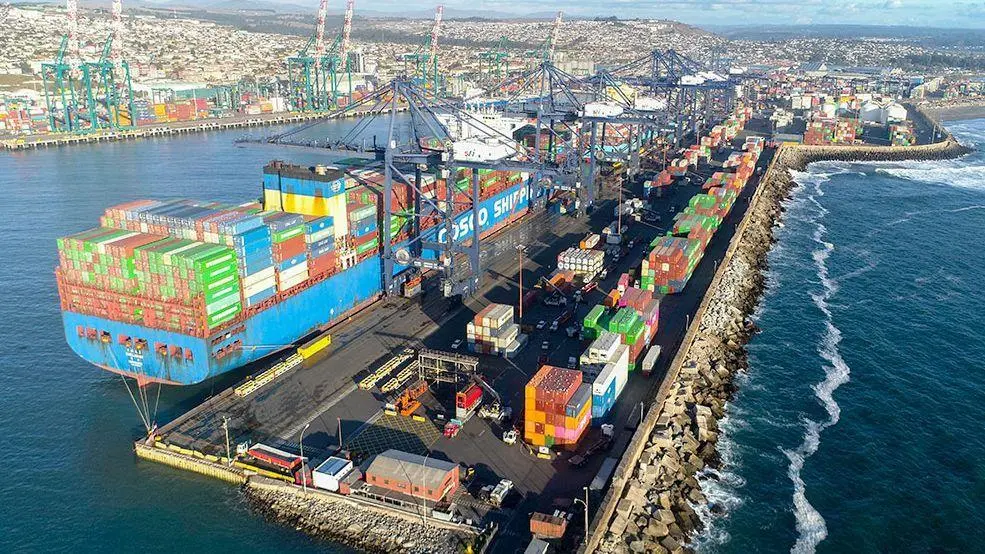
Chile has earned its reputation as the “fruit bowl” of South America. With its unique geography stretching from the arid Atacama Desert in the north to the cool, temperate climate of the south, Chile’s diverse agricultural output is one of the country’s most significant exports. Grapes, apples, berries, and avocados are staples in global supermarkets, with Chile’s fruit industry alone valued at over US$8bn in 2023. This growth has been driven by increasing consumer demand, particularly in North America, Europe, and Asia.
The country’s infrastructure and well-developed port facilities, such as Valparaíso and San Antonio, have helped Chile solidify its position as a reefer trade leader. These two ports account for almost 65% of all container activity in the country.
Valparaíso, Chile’s second-largest port, offers extensive reefer capacity for refrigerated containers. San Antonio, a key port further south, is also critical for the efficient export of perishable goods. A combination of available goods for export and technological advancements in refrigerated transport systems will help Chile to maintain a competitive role in the movement of reefer units.
PERU: GROWTH, OPPORTUNITIES AND CHALLENGES
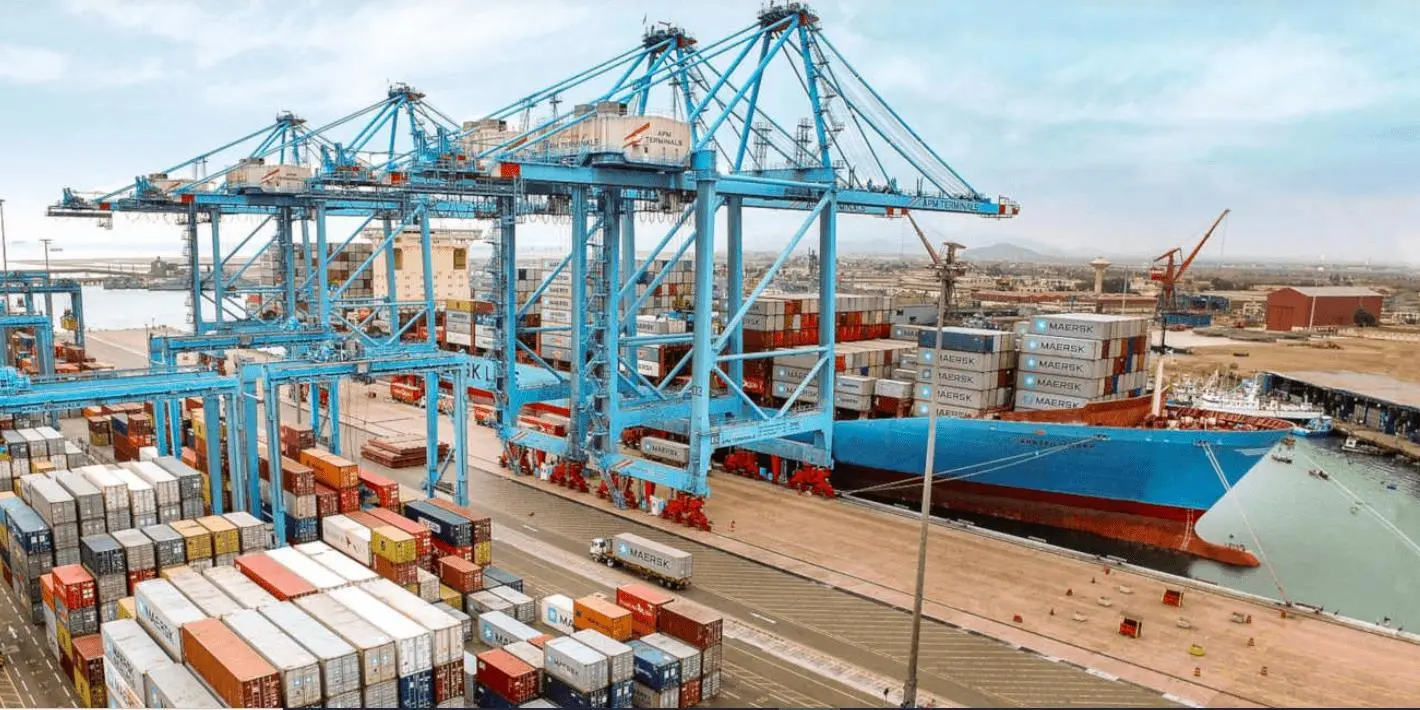

Peru has also been experiencing rapid growth in its reefer trade activities. The country’s fertile land and varied climate allows for the production of a range of agricultural products, including avocados, grapes, and asparagus.
Peruvian agricultural exports have grown substantially during the past decades, from just $645 million in 2000 to an estimated US$10.5bn in 2023, with estimates of Peru’s agricultural exports expected to exceed US$11.5bn for 2024.
The Port of Callao, Peru’s largest and busiest port, is central to the country’s reefer trade. It already handles over 85% of all container activity, with Paita to the north responsible for 10%.
These ports, especially Callao, have undergone extensive upgrades in recent years to accommodate the increasing volume of reefer containers, including new cold storage facilities and advanced handling equipment designed to optimize refrigerated transport, including 34% in refrigerated storage capacity (rising from 1,100 to 1,550 reefer plugs).
Fernando Fauche, Commercial Director at APM Terminals Callao, notes: “Our share of the fruit and refrigerated goods market has held steady at 45% to 48% over the past few years, despite broader market declines. We’ve invested in a Reefer Rack system to position ourselves for a market recovery in 2025…“We’re fully equipped to handle any increase in fruit or refrigerated cargo volumes in the near future,” he adds.
However, Peru still faces challenges in developing its reefer infrastructure to keep pace with growing demand. While Callao has made strides in improving its capabilities, other parts of the country lag behind, particularly in rural agricultural areas. To address these gaps, investments in cold chain infrastructure and refrigeration technology will be essential for Peru to remain competitive in the global market. Despite these challenges, Peru’s agricultural exports, particularly to Asia (a 51% share of exports of reefer products) and the US (a 20% share), remain sizeable, positioning the country as a key player in the global reefer market.
COMMODITIES DRIVING THE TRADE
The bulk of reefer activity from Chile and Peru consists of fresh produce, with Chile exporting a wide range of fruits such as grapes, cherries, apples, and berries, while Peru focuses on avocados, grapes, and asparagus. These goods, which are highly perishable, depend on the reliable and efficient transportation provided by reefer containers to ensure that they reach their destinations in top condition.
In addition to fruits and vegetables, the seafood sector is another major contributor to the reefer market, particularly for Chile. The country’s salmon farming industry is one of the largest in the world, with exports valued at over US$5bn annually. Other seafood exports, such as tuna and squid, are also important components of Chile’s reefer trade. Peru similarly has a growing seafood export market, particularly for fish and squid, which rely heavily on refrigerated transport to maintain freshness during long transit times.
As global demand for organic foods and sustainable products increases, both Chile and Peru stand to benefit from these trends. The rise in middle-class populations in emerging markets, along with a greater focus on sustainability in the global food supply chain, further fuels the demand for refrigerated goods, particularly fresh produce and sustainable seafood.
A few major shipping companies dominate the global reefer market. Maersk, MSC, CMA CGM, and Hapag-Lloyd are the largest players, with extensive fleets of refrigerated containers. These companies are crucial in ensuring that perishable goods reach their destinations safely and efficiently.
Maersk, in particular, is a leader in providing refrigerated transport solutions, offering services that include “remote container management,” allowing customers to monitor temperature and humidity levels in real-time. This innovation helps ensure that perishable goods, particularly fresh produce, remain at the optimal temperature throughout their journey. Other companies, such as Carrier Transicold, are also important in the reefer trade, producing energy-efficient refrigerated containers that improve the sustainability and reliability of cold chain transport.
WHAT DOES THE FUTURE HOLD?
Despite the continued growth of the reefer trade in Latin America, challenges remain. The cold chain is vulnerable to disruptions, and any fluctuation in temperature during transit can lead to spoilage, resulting in financial losses for exporters. This risk is particularly high in regions with less-developed infrastructure, where power outages or delays can jeopardise the integrity of perishable goods.
The reefer market also faces increasing pressure to reduce its environmental impact. With global climate goals tightening, the shipping industry is exploring alternative fuels, energy-efficient technologies, and more sustainable logistics practices. While these innovations will require significant investment, they present an opportunity for countries like Chile and Peru to lead the way in sustainable refrigerated transport.
Leading operator in the region, Maersk, sums up the future challenges: “Cold chain management ensures that temperature-sensitive products are stored and transported under optimal conditions to preserve their quality and safety. The increasing demand for cold chain solutions, especially in regions like Latin America, calls for the adoption of advanced technologies to enhance monitoring and improve operational efficiency. Latin America stands at a pivotal moment, offering businesses the opportunity to diversify supply chains and foster economic growth.”
There is also the challenge for exporters of trying to keep transport and storage costs at a reasonable level. The long distances involved in accessing many key markets makes this a critical aspect.
The reefer trade from South America’s West Coast, particularly from Chile and Peru, is essential to global food supply chains, connecting these nations to markets worldwide. With continued investment in infrastructure, technology, and sustainability, both countries are poised to remain at the forefront of the reefer market. As demand for fresh produce, seafood, and sustainable products grows, Chile and Peru are well-positioned to meet the needs of an ever-expanding global consumer base. With the rise of e-commerce and global trade, reefer cargo has expanded beyond traditional perishable goods to include products like organic foods and vaccines, reinforcing its critical role in the global marketplace
The future of the reefer trade looks positive, and both Chile and Peru are critical in generating in-demand perishable goods for export on a global basis.
Related Articles
 WORLD
WORLD
 WORLD
WORLD
 PRODUCTS & SERVICES