![PortStrategy[GreenPort]](https://www.portstrategy.com/wp-content/uploads/2026/09/PortStrategyGreenPort.svg)




Rea Sea unrest pushes up container rates
Continued diversions to avoid possible Houthi attacks in the Red Sea are pushing up container rates for shippers.
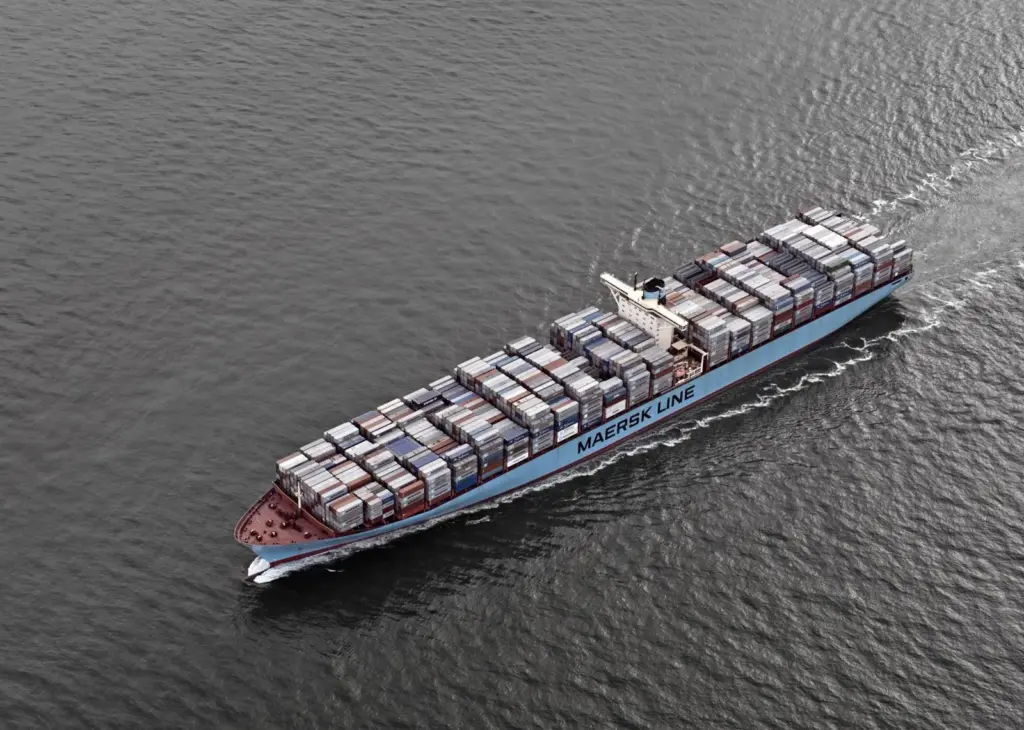
Five of the top ten carriers – Maersk, MSC, Hapag-Lloyd, ZIM and ONE – are instead transiting via the Cape of Good Hope with one further carrier – CMA CGM – suspending some sailings. Whilst most Asian carriers are still using Red Sea routes, the total capacity currently diverting represents 62% of global trade.
This increase in fuel and other costs is leading to higher container rates across the board. Recent reports that some carriers are negotiating with the Houthis to secure safe passage led carrier shares to drop on Monday, though Maersk and Hapag-Lloyd denied they were in talks with the Houthis.
Freightos Baltic Index daily rates for Monday for the ex-Asia lanes that typically use the Suez Canal and which include Red Sea-related surcharges, were US$4,234/FEU to North America East Coast, a 69% increase since diversions started in mid-December.
Asia – N. Europe rates of US$4,789/FEU are 226% higher, and prices to the Mediterranean of US$5,202/FEU are 116% higher.
Planned rate increases to the West Coast and to other lanes not directly impacted by Red Sea diversions like the transatlantic – which are set to increase sharply in February to at least US$5k/FEU from their current level of just US$1,240/FEU – may reflect that capacity is tightening across the market.
Longer transit times and schedule disruptions on those lanes could also lead to port congestion and empty container shortages.
Even if rates climb to US$8,000/FEU, however, these are still well below the US$22,000/FEU seen for the North America East Coast during the pandemic.
Related Articles
 WORLD
WORLD
 WORLD
WORLD
 PRODUCTS & SERVICES