US port industry leaders are warning of higher costs and supply chain slowdowns if President Trump’s new tariffs continue to threaten global trade flows.
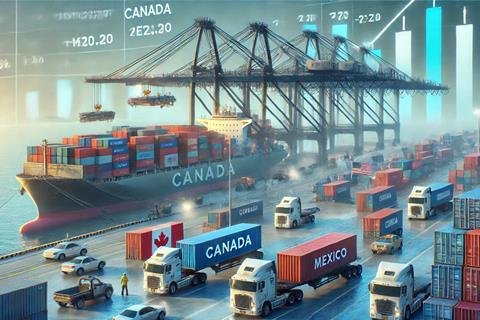
The Trump Administration has announced sweeping new export tariffs, imposing a 25% levy on Canadian and Mexican imports and a 10% tax on Chinese goods, including a lower 10% rate on Canadian energy. Trump has also hinted that Europe could be next.
These tariffs, set to take effect imminently, have sparked a worried backlash from trading partners, who have also raised concerns about disruptions in the port industry.
“Tariffs are taxes,” said Cary S. Davis, President and CEO of the American Association of Port Authorities (AAPA).
“Though the port industry supports President Trump’s efforts to combat the flow of illicit drugs, tariffs will slow down our supply chains, tax American businesses and increase costs for hard-working citizens.”
Critical gateways
Ports serve as critical gateways for international trade and the worry is that the new tariffs could lead to delays, reduced cargo volumes and increased operational costs.
With Canada, Mexico, and China all threatening retaliatory measures, US exporters may also face additional trade barriers, further straining port operations and global supply chains.
A tariff is a domestic tax levied on foreign goods as they enter the country, proportional to the value of the import. They are a central part of Trump’s ‘America First’ economic vision.
But industry analysts warn that the tariffs could drive up prices for essential goods, from steel and lumber to food and machinery, impacting both businesses and consumers. The uncertainty surrounding trade policy could also potentially discourage investment in port infrastructure and logistics.
The AAPA is urging the Trump Administration to reconsider its approach and exempt essential port equipment from tariffs to protect supply chain efficiency and economic stability.