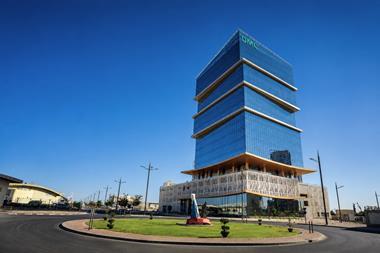
Sohar’s Freezone chief executive, Jamal Aziz, says that the port will become an even more important contributor to the Omani economy as Dubai cargo costs continue to rise.
Mr Aziz’s comments came after an impressive period of growth over the last six months, just weeks before the much-anticipated relocation of commercial traffic from Muscat to Sohar.
“Rising commercial property costs in places like Dubai are enabling us to reap the benefits of the abundance of land, low-cost energy, and skilled staff that we have at our disposal. While many around us are struggling to find space to grow and produce enough energy to meet demand, we are fortunate to have more than enough – without creating overcapacity, of course,” Mr Aziz told Port Strategy.
“This is a long-term strategy and we are by no means aiming to compete with the likes of Jebel Ali. That would be unrealistic. Instead, we are focused on increasing cargo volumes and driving down costs,” he added.
Cargo volumes continue to grow at a rate beyond the 50m tonnes per year that Sohar has seen in recent years. In addition, growth is also evident in industries beyond those that were originally set up when Sohar was launched as a joint venture with the Port of Rotterdam back in 2002.
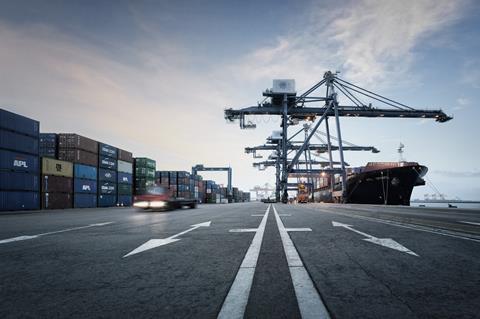
In just six months Sohar has just expanded nearly every aspect of its operations, including the US$130m relocation and expansion of the Oman International Container Terminal and a US$2.5m investment to connect infrastructure.
“Our approach to business is one of longevity and sustainability,” said Mr Aziz. “As a result, we are currently focused on consolidating the gains that will come from inheriting Muscat’s traffic.”
Plans in the pipeline include a national food reserve and dedicated agricultural terminal, as well as installing better air and rail links, which Mr Aziz told PS will be “the real game changer”.
“Some US$250bn is being invested in building the region’s most ambitious rail network, and US$15bn of that is being invested in connecting Oman’s ports with all of the GCC’ consumer markets. Oman’s rail freight market is already valued at US$8bn, and will grow to US$12bn by 2017. Rail links also carry the added benefit of increasing efficiency and reliability, improving road traffic management, increasing transit volumes and cutting costs, and reducing the pressure placed on the environment.”
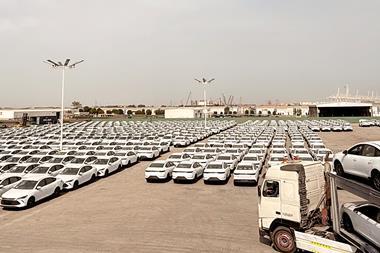
A new deal with Omani business house, Saud Bahwan, will also see Sohar’s automotive cluster grow to 200,000 cars annually and welcome in the likes of global manufactures such as Lexus, Kia, Ford and Toyota.
Sohar’s other core business areas, petrochemicals, metals and logistics are also growing. A US$60m deal with UK-led consortium to build the largest rare earth metals plant of its kind outside China is also on the table.
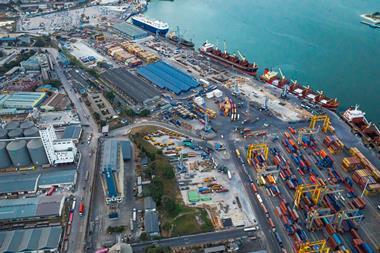
Sohar Port and Freezone is a deep-sea port and freezone in the Middle East, situated in the Sultanate of Oman around 200km northwest of its capital Muscat. With current investments exceeding $15bn, it is considered one of the world's largest port and free zone developments and lies at the centre of global trade routes between Europe and Asia.