


Truck troubles in Vancouver
Members of the United Truckers Association (UCA) held a two day strike at the Port Metro Vancouver this week in an attempt to increase the compensation they receive from the trucking companies that hire them.
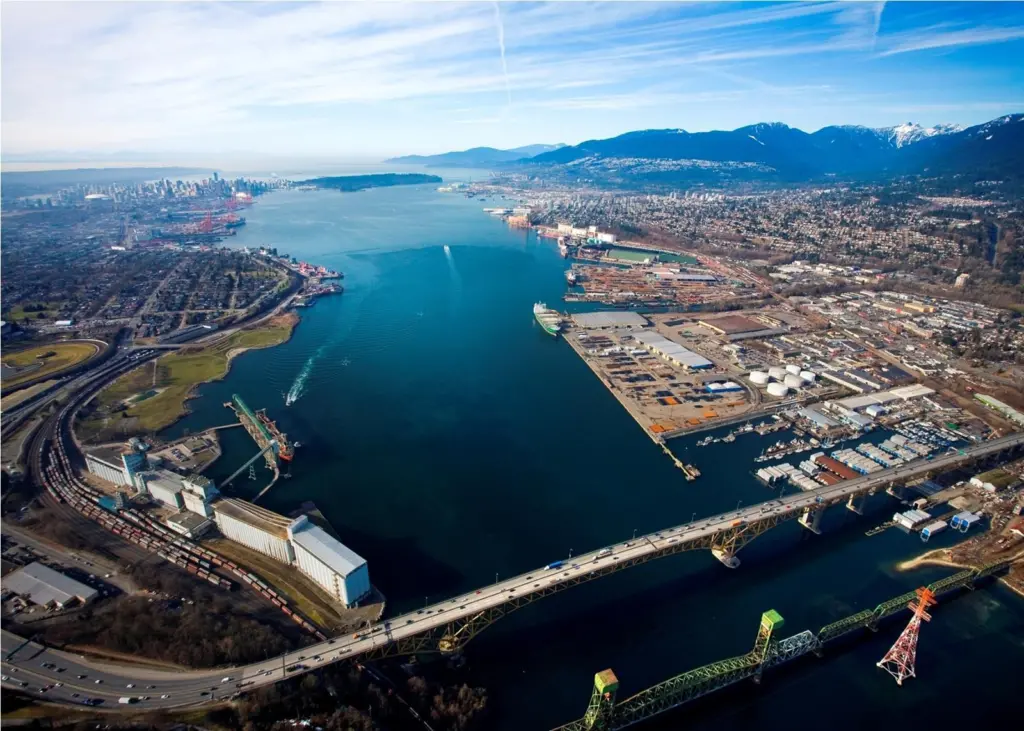
The truckers want the hire companies to stop basing pay on time spent waiting to load and unload cargo because port congestion has become more of an issue over the last few months.
Port Metro Vancouver said that although only a small group of truckers took part in the strike this week and several hundred trucks still entered the port on 26 February. But there were reports of “violence and verbal intimidation” towards drivers, which caused some to turn away.
“Though we cannot get in the middle of the commercial relationship drivers have with trucking companies, the port is committed to continued collaboration with the UTA and other stakeholders in enhancing operational efficiencies within our jurisdiction,” said Peter Xotta, Vice President, Planning and Operations, Port Metro Vancouver.
He pointed out that the port is encouraging the trucking companies to work more closely with truckers to reach some common ground.
The trouble is that over the past two months extreme weather has exacerbated congestion problems. It has forced the need for shorter and slower trains and storms in the Pacific Ocean have delayed ships – this has created an enormous impact on the movement of good at terminals, causing extended delays for truckers.
Port Metro Vancouver said that it has a number of measures in place to try to improve the situation. These include the Stewart Street Elevated Structure $75m roadway opened in December 2013. The roadway allows vehicles to bypass more than ten at-grade rail crossings and has helped drivers accessing Centerm and Vanterm container terminals in Burrard Inlet to save on journey time.
The port said a new overpass is also under construction on the Roberts Bank Causeway to Deltaport. Scheduled for completion later this year, it will help eliminate rail-truck conflict and significantly reduce trucking delays caused by rail switching activity.
But the continued growth of Port Metro Vancouver’s container sector will necessitate the extension of truck operations beyond current daytime shifts. The port said that introducing extended gate hours at container terminals will align drayage operations with those of marine and rail sectors, ultimately reducing turn times.
This latest strike action follows a one day protest in October 2013 and many are worried that if the situation is not taken to hand it may end in a repeat of the 2005 trucker strike which caused a six week shut down and estimated losses of CAN$800m.
Related Articles
 PORT & TERMINAL NEWS
 PORT & TERMINAL NEWS
 OPERATIONS