![PortStrategy[GreenPort]](https://www.portstrategy.com/wp-content/uploads/2026/09/PortStrategyGreenPort.svg)




Panama Canal disruption set to continue
Supply chain disruptions caused by environmental conditions in the Panama Canal are expected to affect the entire shipping industry, potentially impacting container prices.
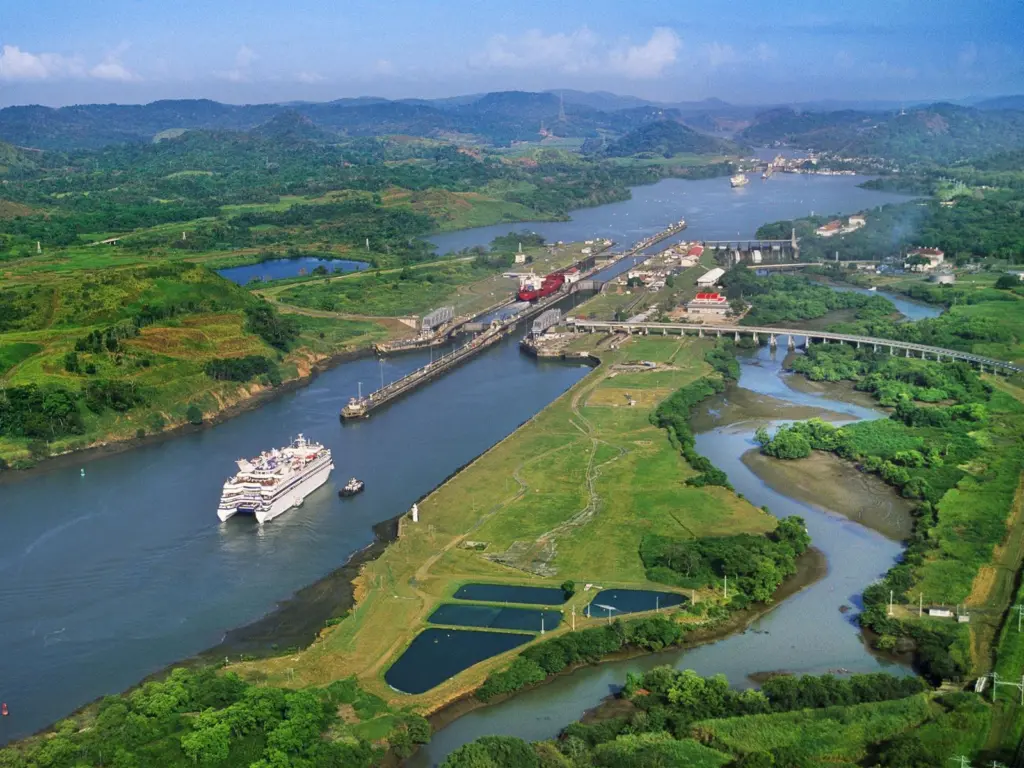
Challenges caused by drought and resulting water conservation measures have led to prolonged wait times, reduced capacity and strain on schedules, says logistics platform, Container xChange, with a halving of the number of vessels currently passing through the channel.
No let up is in sight with the impact on global trade expected to continue throughout 2024.
According to the Panama Canal Authority, the average daily queue of non-booked vessels awaiting transit has risen from 2.5 days at the start of November to 9.3 for northbound vessels. Southbound vessels are waiting even longer with an average of 10.5 days.
Dry bulk and LNG have been particularly affected by the reduced number of transits, with liner shipping significantly affected by draught restrictions.
“The Dry Bulk and LNG segments have experienced the greatest impact due to restricted transits, primarily because they don’t adhere to a fixed liner schedule but instead arrive at the canal on an ad hoc basis,” said Christian Roeloffs, co-founder and chief executive of Container xChange.
“In contrast, liner shipping has faced minimal consequences from transit reductions but has primarily been affected by draught reductions,” he added.
The maximum draught has been decreased from 50 feet to 44 feet, with each foot reduction in draught resulting in a loss of 400 teu capacity. Consequently, an average container vessel can now transport 2400 teu less.
The impact is possibly diluted at present owing to a current lull in demand.
“At present container shipping trade flows remain unencumbered,” continued Roeloffs. “However, increased pressure on the US east coast, the Suez Canal and the Cape Horn in coming months could see shippers exploring alternative routes to minimise disruption.
This may impact transportation costs, delivery times and overall chain efficiency for US businesses, says Container xChange, as well as posing profound implications for global container logistics.
Related Articles
 WORLD
WORLD
 WORLD
WORLD
 PRODUCTS & SERVICES