




Getting a greener bulk terminal
Port sustainability was of course hot on the agenda at this year’s TOC Europe (London 24 to 26 June 2014).
But something slightly different was the paper presented on enclosed ship unloading for a clean and greener bulk terminal by Juka Huovilainen from Siwertell, part of the Cargotec Group.
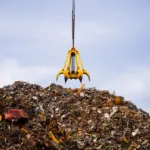
He explained that bulk handling has traditionally been a messy business but screw unloading technology is helping to change that. Traditional grab cranes are not conducive to a clean and tidy quayside and operators have to wear an array of protective clothing to help minimise risk of inhalation and irritation from hazardous materials.
Screw unloading technology on the other hand can shift two to five metres per second and it’s a very clean business – unloading of vessels is all done in an enclosed space with the help of dust control filters.
The material is first scanned before being moved and is then lifted layer by layer so that avalanches (and dust showers) are avoided. Basically, the screw technology burrows down into the material to be unloaded to keep the dust level low.
Any type of bulk material can be handled. The interface between the CSU and the jetty conveyor is carefully managed by a series of dust control filters right through to when it is carefully discharged at the end by way of a screw unloader or an airslide.
Screw technology is not only environmentally beneficial because of dust control though. These machines are lighter weight than grab cranes meaning that a more light weight jetty construction is needed. They also create less noise and operators are able to work without protective clothing.
There is less wastage too. Siwertell said that one case study in Scandinavia showed that while a grab crane traditionally loses 1.5% of the material – screw technology has a loss rate of 0%.
Related Articles
 EQUIPMENT
 ALTERNATIVE FUELS GREENPORT