


New Pacific and Australian port co-operation
Pacific and Australian ports are increasing cooperation in response to new challenges. Michale Mackay explains.
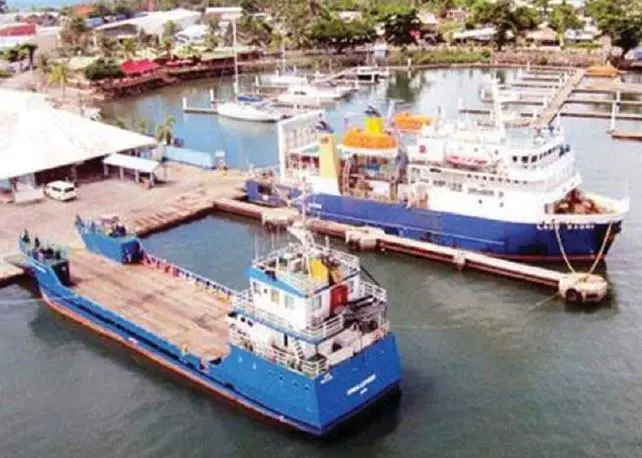
The rise of China and climate change are the two most noticeable factors being faced by Pacific ports. Leading the movement towards greater regional cooperation is Ports Australia, which in a precedent-setting move has welcomed five individual facilities and associations from across the region as its newest external associate members.
Fiji Ports Corporation Limited, Samoa Ports Authority, Cook Islands Ports Authority signed up along with New Zealand’s Lyttleton Port Company Ltd and the Port of Napier. While these are small ports, each has a strategic importance especially given the scale of the Pacific and the trade volumes involved, with maritime resources a key asset that ports can develop collectively.
This latest development involving greater cooperation is first time a group of members from one region in the area have affiliated. It also looks like it may by the start of a process that could lead to something much bigger in the future according to those involved. “While Ports Australia has many Associate Members who operate on a global scale as service providers to ports, our newest members are the first international ports to be signed as External Associate Members,” a spokesman at the Australian trade body told Port Strategy.
Moving forward, these new members are not likely to be alone. “Ports Australia has not signed any other Pacific ports since the October announcement, but we are eager to continue building partnerships between our organisation, our members and the wider region going forward,” the spokesman added.
There are two main concerns driving the region’s ports together and to co-operate with Australia facilities – one is the increasing power of China the other is the (common) issue of the environmental crisis.
The latter is especially relevant to South Pacific countries which are particularly vulnerable to the rising sea-levels climate change brings with it Ports Australia’s relationship with these organisations is expected to retain a strong focus on sustainability, it said in recognition to the problems the industry faces in an era of global warming.
One concept moving forward, according to Samoan Prime Minister Tuilaepa Aiono Sailele Malielegaoi at the 44th Pacific Maritime Transport Alliance conference is to build ports to service the community into the future and to encourage dialogue with that community on developments that will affect them.
In addition, Ash Sinha, Policy & Operations Director, also highlighted issues such as the IMO 2020 low sulphur fuel regulatory impacts and the building of resilient infrastructure in the face of climate change.
The other vulnerability ports throughout the Pacific are facing is the increasing role China has generated for itself in the region. Around the same time as Ports Australia was announcing its new associate members there were press reports that China had leased Tulagi, prized for its natural deep-water harbour in the Solomon Islands on a 75-year basis.
That claim has since been squashed by the government of Islands but in some ways the idea is now common knowledge – China is clearly looking to build its own string of ports across the Pacific.
Both Ports Australia and the Australian government appear to be cautious, although concerns exist. “Bringing the industry together and sharing knowledge will strengthen the voice of our region, as well as making it a more competitive player across the world’s maritime sector,” said Ports Australia – a hint perhaps that those joining are seeking “safety in numbers” and looking to swap information to improve performance.
“All parties investing in the Pacific should act transparently, uphold international standards and meet the genuine need of citizens of the Pacific,” was the limit of comments from Australia’s Department of Foreign Affairs and Trade when contacted by Port Strategy.
Related Articles
 WORLD
WORLD
 PORT & TERMINAL NEWS
 PORT & TERMINAL NEWS