



Congestion measures
The West Coast MTO Agreement (WCMTOA) has provided an update on the ongoing measures to mitigate the effects in Southern California of the continued surge in cargo impacting global supply chains.
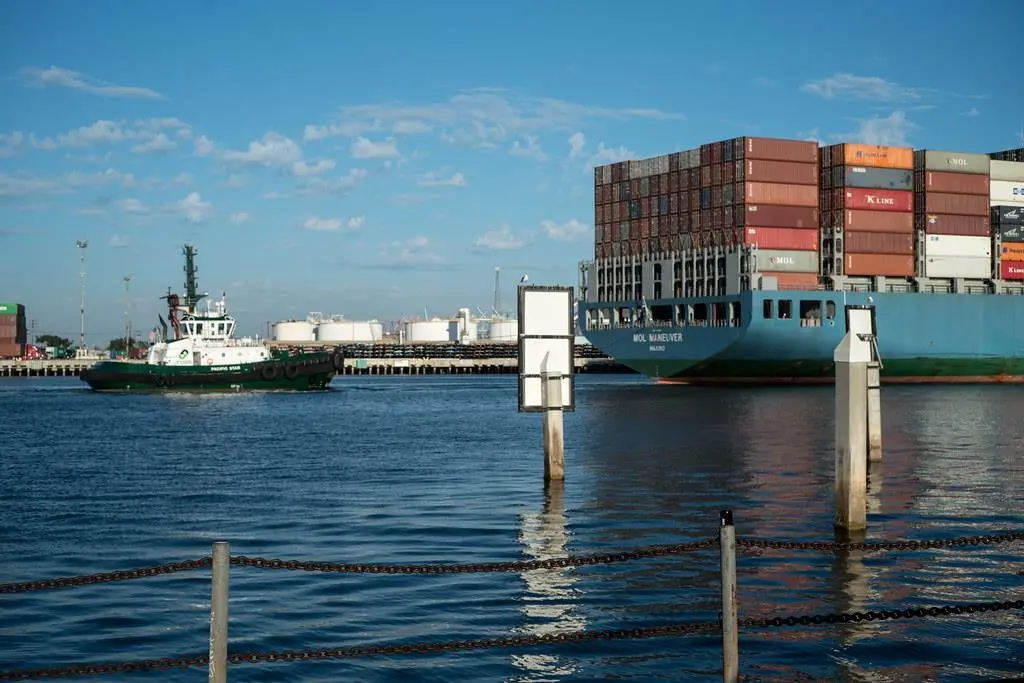
WCMTOA comprises the 12 international container terminals serving the Port of Los Angeles and Port of Long Beach.
These measures include:
Empty Return Program – WCMTOA is working with the Harbor Trucking Association and trucking companies to help return empty containers and chassis to marine terminals.
Peel-Off – WCMTOA will identify opportunities to increase peel-off pile operations, which allow high-speed pickups of large groups of pre-sorted containers. Peel-off piles work similar to a taxi queue, with each arriving truck picking up the next container in the peel-off pile, rather than each truck requiring a specific container to be located and retrieved.
Warehouse Outreach Program – This new program will help terminals and warehouses identify issues impacting cargo fluidity and determine potential solutions.
Appointment System Technologies – WCMTOA members continue to improve the technical systems used to manage their appointment systems. WCMTOA has begun an internal review of terminals’ uses of application programming interfaces (APIs) that enable direct connections between terminal operating systems and trucking company operating systems. For those terminals not using APIs, the potential for a common portal will be explored.
Short-Haul Train Study – WCMTOA plans to initiate a study to determine the costs, feasibility and benefits of short-haul trains to provide service to a regional location for pick-up and delivery.
Chassis Demand Study – WCMTOA will analyse chassis inventory levels throughout the year to determine periods when additional chassis should be stockpiled to avoid service shortfalls.
Related Articles
 LEGAL, RISK & INSURANCE
 NEWS
NEWS
 PORT & TERMINAL NEWS