Ports can now replace general pollution-mitigation policies and adopt specifically targeted interventions based on real-time data analysis, Sjoerd de Jager will highlight at Greenport Congress 2026.
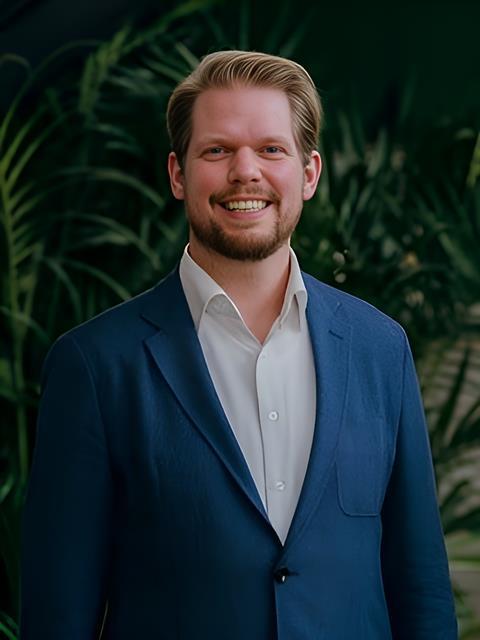
The CEO and co-founder of PortXchange, a Rotterdam-based company focused on digital solutions for maritime logistics, will talk through the pollution emission spikes that occur when vessels transition from the open sea to coastal ports across five distinct operational stages: cruising, approaching, anchorage, manoeuvring, and berthing.
His address – Mapping the Vessel Journey: Utilizing Real-Time Environmental Intelligence to Manage Port-Proximate Emissions – will also identify potential solutions.
Sjoerd de Jager said: ’’We’ve known for years that shipping emissions don’t stop at the gangway. From anchorage to berth, every phase of a port call carries a different environmental footprint.
“What’s changed is our ability to see it in real time. When you can pinpoint exactly where nitrogen oxides spike, or which berths are generating the equivalent of 10,000 idling cars, you stop making generalized policy and start making targeted decisions.
“That’s what turns a port from a pollution hotspot into an active partner in decarbonization. During my keynote I’ll be walking through exactly how ports are making that shift. Come ready to talk solutions.’’
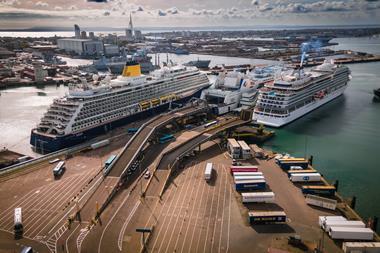
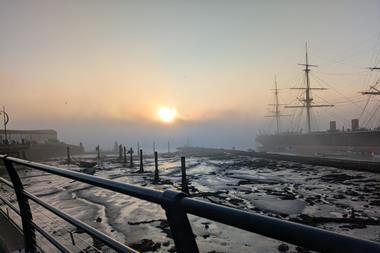
The 21st GreenPort Congress runs from 7–9 October 2026 at Portsmouth International Port, UK.
Book now for 20% off the full delegate rate with GPCEARLY or contact the team at sales@greenportcongress.com