![PortStrategy[GreenPort]](https://www.portstrategy.com/wp-content/uploads/2026/09/PortStrategyGreenPort.svg)



The risky port expansion mindset
This July, figures for the total throughput of the UK ports system were released revealing a 4% decline in volumes. This is itself is not unsurprisingly given the current state of the freight markets.
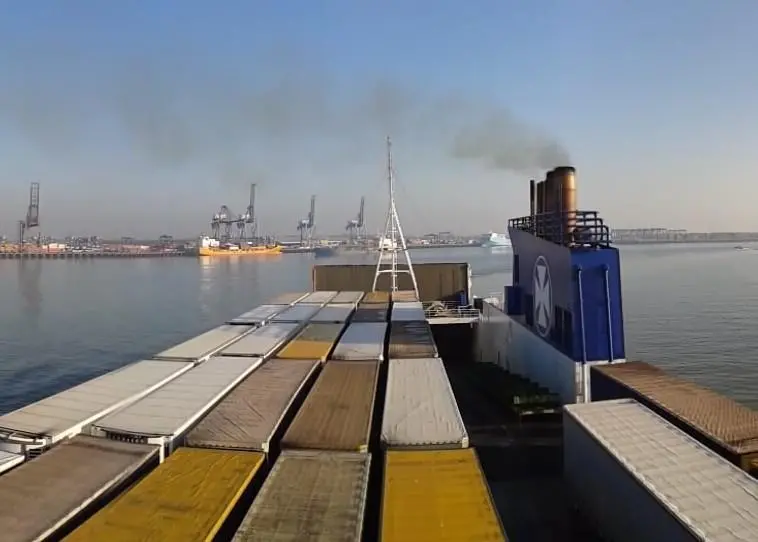
However, readers might be surprised to learn that last year’s full year figures were below 1993 levels, and it looks as if 2013 is following the same path.
This is partly explained by the outward flows; these were at their lowest volume since the statistics started, in 1982. Inward flows followed a growth path for longer, but have been flat since 2000.
These figures are in stark contrast to ports in other countries, and also to the volume developments in continental Europe. The UK experience is somewhat similar to the US, which has not witnessed total traffic growth for the last nine years. Container volumes haven’t managed to yet return to 2007 levels in the US.
This stagnation does not seem to be related to either GDP or trade: UK exports to non-EU countries (measured in value) have doubled since 1996, while trade with EU countries has also grown. Further, the UK’s GDP has grown steadily since the crash in 2008. Thus in the UK, port growth has been substantially lower than GDP growth in the last decade.
This signals a transition in the UK economy away from manufacturing and towards services. This explains the difference with continental Europe, where industrial production, especially in Germany, has continued to grow. The UK may be a forerunner in this transition, and other OECD countries may follow a similar transition, although with different paths. But is this transition on the mental map of public port development organisations?
A forecast commissioned by the Department of Transport in 2007 suggested total throughput would reach 690m tons in 2030. With the above in mind, this seems rather unlikely. The implications for capacity requirements, for ports as well as inland infrastructure such as railways, are huge. Port developers may need to think twice before assuming that throughput will continue to grow per se.
All of this is especially relevant for governments that may be eager to embark on port expansion as a tool for economic development. Take the example of Jasper county administration officials who want to speed up the development of a container terminal in their county, near Savannah. Are they trapped in a port expansion mindset that steamrolls any reasonable doubt? I don’t know the answer, but I do know the question is relevant and one that all ports intent on expansion should consider.
Related Articles
 INSIGHT & OPINION