![PortStrategy[GreenPort]](https://www.portstrategy.com/wp-content/uploads/2026/09/PortStrategyGreenPort.svg)




Astute management could have repercussions
The global container terminal operators reported profits in 2009 despite the shipping global recession and shipping calamity.
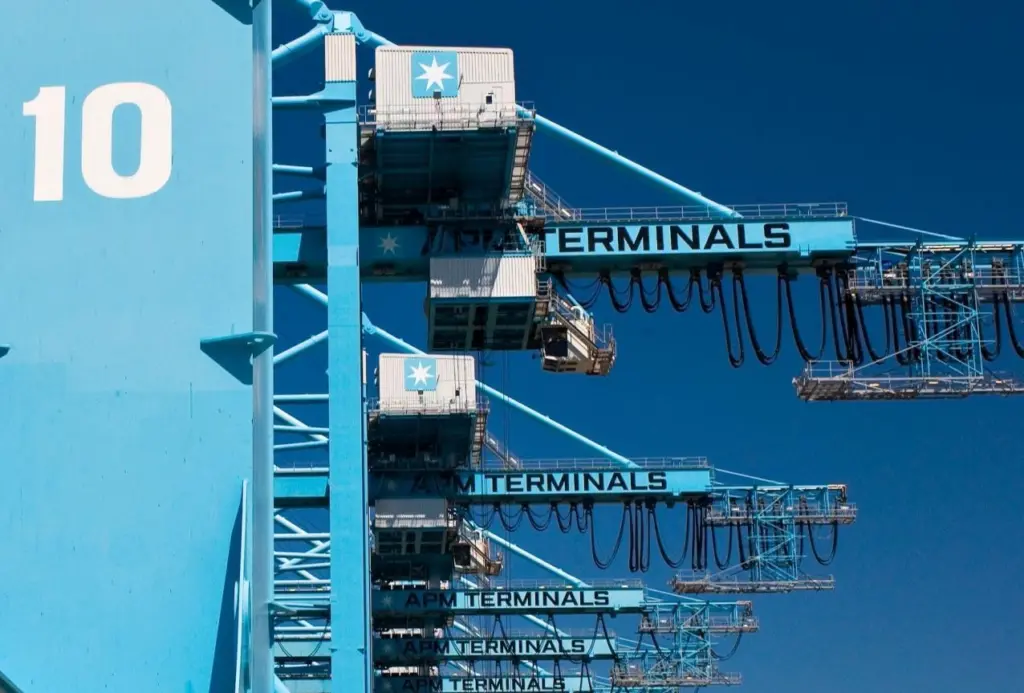
APM Terminals increased its profit to $442m, up 46.3% from the $302m posted in 2008, in spite of lower container throughput. DP World announced that it suffered a 46% fall in profits yet stayed in the black. For its first quarter 2010 results it indicated that volume has increased 15% to 11.2m teu, crediting Asia Pacific and Australia for much of the gain. Hutchison Port Holdings (HPH), the world’s largest container terminal operator, handled 65.3m teu, a decrease of 3% and had a pre-tax profit decrease of only 7.3% year-on-year to HK$5.9bn (US$756m) (on revenue of HK$33.4bn which represented a decline of 16%).
Contrast this with the losses reported by their customers, the carriers, with estimates between $12bn to $20bn (probably closer to the lower figure), and the obvious question is how did the terminal operators manage to achieve their positive results?
The first indications of a volume collapse caused the operators to cut costs drastically at the outset of the recession in 2008 with subsequent positive carry over into 2009. They also resisted pressure for across the board contractual discounts for their clients. In some cases they took the initiative to offer to help their clients while in others they refused to budge from the contracted rates.
It is obvious that the carriers suffered disproportionate revenue reductions, that is, their revenue dropped more than the volume drop would have suggested. Market share strategies were at play. The terminal operators worked with their clients to find solutions to help them as well as themselves. In Europe we saw an outbreak of competition for Baltic transhipment cargo with Hamburg being an early loser to Rotterdam and Antwerp.
There are, however, repercussions from all of this. New project development funds were drastically reduced, potentially setting back new terminal expansion in developing countries by a few years. Perhaps as the recovery in volumes takes solid hold we will see a resurgence in these investment funds.
Related Articles
 INSIGHT & OPINION
 INSIGHT & OPINION
 INSIGHT & OPINION