![PortStrategy[GreenPort]](https://www.portstrategy.com/wp-content/uploads/2026/09/PortStrategyGreenPort.svg)


GLOBAL ORDER IN DISTRESS
COMMENT: The knowledge that the coronavirus is highly contagious and that it can be deadly iscertain and the impact on the global economy has been dramatic in its success in bringing it to a virtual standstill. What is less clear is what to do next after the shutdown, writes Ben Hackett.
This lack of a clear understanding of the disease and what to do next is leaving the global order in distress. The growth of nationalism has been dramatic over the past few months as the closure of borders has dominated as one of the knee jerk reactions.
The maritime industry has been hit hard, first by the collapse of exports from China and Asia, then by the restrictions on vessel movements into ports, followed by the more dramatic collapse of demand for goods.
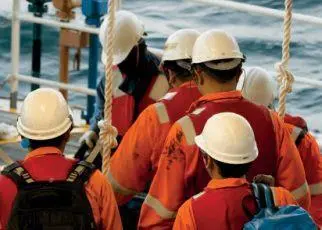
The tanker sector is turning into a storage industry and container vessels are increasingly in lay-up or blanking sailings in an effort to trim supply to demand. The near total lack of airplanes in the air is by far the most dramatic impact. Ship’s crews have been hit hard as well as very few ports will allow for the interchange of crews, thereby creating virtual prisons.
As the number of daily deaths and new infections has come down to levels of “manageable” highs countries are now slowly trying to find the new norm. What is meant by the new norm? In the first and most important instance it means trying to find the acceptable balance between new infections and opening the economies. In other words, by lifting restrictions on the various lockdowns around the globe what is the acceptable death rate to counterbalance the looming recession?
The distress is caused by forecasts of Great Depression Era collapses in economic growth (GDP) and the rise of unemployment to 15 per cent or more. There is no experience on how to deal with this. As we look towards the coming three to six months, we only see uncertainty as each nation seeks the answer for itself. With global trade likely to be at least 15% below 2019 there is reason for distress.
My expectation is that the recovery will take longer than optimists expect. It will roll out slowly before becoming more robust in 2021.
Related Articles
 INSIGHT & OPINION
 INSIGHT & OPINION
 INSIGHT & OPINION