![PortStrategy[GreenPort]](https://www.portstrategy.com/wp-content/uploads/2026/09/PortStrategyGreenPort.svg)



THE COLD WAR IS BACK, A NEW NORMAL LOOMS
Congestion and supply chain problems continue to be with us and now the Ukraine war has caused a thick fog over our industry.
Congestion and supply chain problems continue to be with us and now the Ukraine war has caused a thick fog over our industry.
There is a vast inflow of new larger container tonnage on both the Trans-Pacific and European trades from Asia including bulkers drafted in for new carriers trying to hitch a ride on the windfall profits earned in 2021.
In theory this should help to reduce freight rates as more space becomes available but given the landside congestion caused by shortages in warehousing, transportation equipment and labour, the ports at the importing end of Asian based trades will continue to suffer from congestion as terminals continue to struggle with insufficient storage capacity to hold import boxes not being picked up and empty export containers being dropped off. This is playing havoc with schedule reliability putting further strain on ports and terminals.
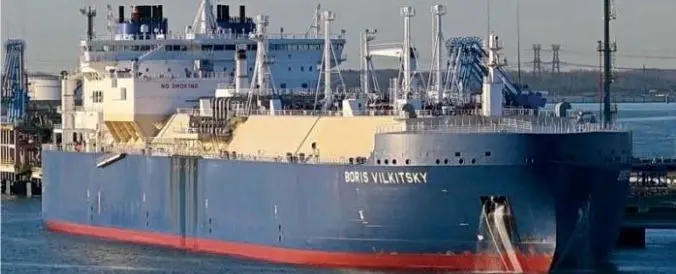
Tankers and bulkers on the other hand have not fared as well. The Omicron wave further reduced demand for oil and refined products curbing crude production and creating inventories that reduced seaborne export flows. The industry had a bad year financially. All that, however, is changing with the Russian invasion of The Ukraine.
The U.S., the European Union and the United Kingdom are looking to replace Russian oil and gas and Russian ships are increasingly not being handled by dockers. This will create a switch in sourcing, particularly in Europe which is heavily dependent upon Russian oil and gas. The Middle East is under pressure to rapidly increase production of both, but there is resistance to this and contracts with existing clients do not make it easy to meet new demand from Europe and the US.
As direct and indirect sanctions come into place the impact on shipping and ports is virtually immediate. Most carriers have dropped their services to Russian ports leaving cargo stranded around the world. There is also a ban on imports from Russia. War risk insurance and bunker prices, now near $1000, have shot through the roof, which will be a further cause of the rising cost of transportation.
This is not a short-term crisis as it is unlikely that the destruction of the Ukraine being witnessed to date will lead to a rapid end of economic, trade and financial sanctions. The Cold War is back with a vengeance. The ports, the shipping community and land transportation will need to adjust to a new normal, particularly as we may be facing a major downturn in the consumption of goods. And who remembers Covid?
Related Articles
 INSIGHT & OPINION
 INSIGHT & OPINION
 INSIGHT & OPINION