![PortStrategy[GreenPort]](https://www.portstrategy.com/wp-content/uploads/2026/09/PortStrategyGreenPort.svg)






Boosting resilience against upheaval
Shippers can help ensure resilience against the effects of geopolitical tensions by opting for flexible contracts, collaborating with supply chain partners and better managing customer expectations.
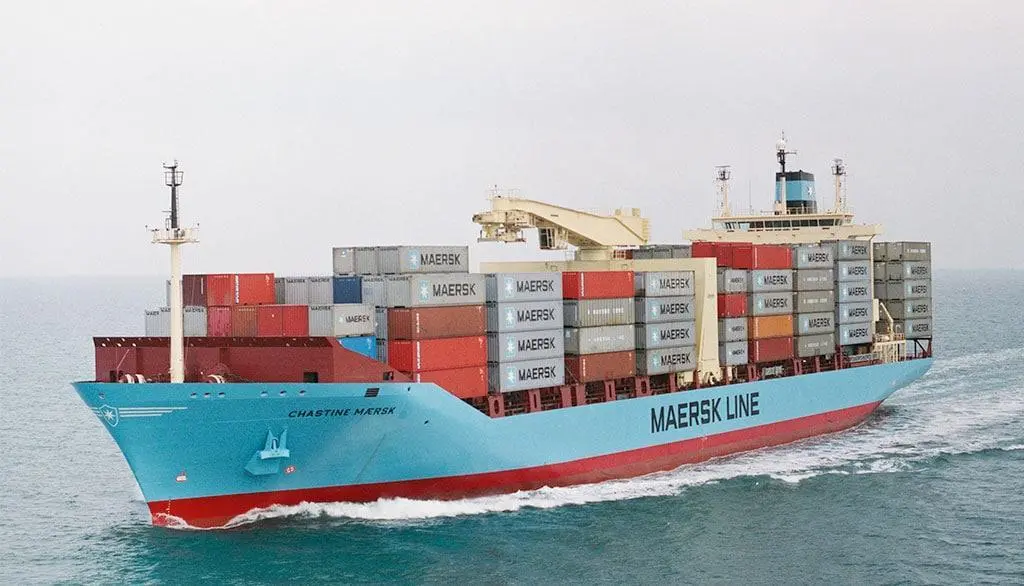
The recent attacks in the Red Sea have created waves across the global shipping industry, with implications for international trade, the economy and consumers worldwide.
Shippers are continuing to avoid the Red Sea in response to attacks by Houthi rebels in Yemen, instead rerouting journeys via the Cape of Good Hope, adding up to two weeks to transit times.
These shipping disruptions have had global economic repercussions with consequences including surging freight rates, delays and congestion, and rising oil prices.
Also complicating the picture are the seasonal export surge before factories close for the Chinese New Year and continuing restrictions in the Panama Canal because of low water levels.
Supply chain data firm, FourKites, has recommended practical steps shippers can take to help mitigate against this market turbulence. It advises:
Planning for long-term contracts carefully and consider opting for those which offer flexibility or contingency clauses.
Communicating transparently with customers about potential delays and disruptions
Maintaining close communication with logistics providers
Considering combining different modes of transportation (sea, air, rail, road) to optimise shipping routes.
Using tracking and predictive analysis tools to gain real-time insight into shipments.
Related Articles
 WORLD
WORLD
 WORLD
WORLD
 PRODUCTS & SERVICES