





Port Congestion: Fact or Myth?
The topic of port congestion is never far from headlines and conference presentations. I have argued in the past that it is more of a management and space utilisation issue than an actual physical space issue.
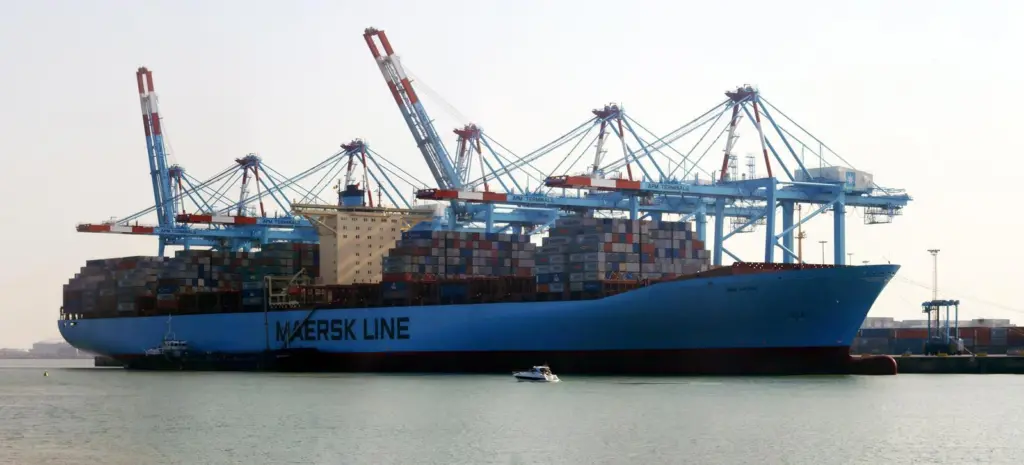
In recent months we have heard of severe congestion in European ports and the Far East Freight Conference went so far as to apply a surcharge on UK import containers. Curious why only on imports when the export empties and major construction projects were more to blame. Shippers were outraged. By end January, the Conference determined that there had been a significant improvement and suspended the surcharge.
Port capacity and congestion have a clear link to level of utilisation. Both are a product of velocity of movement of the boxes from ship to gate. Containers manage to travel some 500 knots per day at sea but manage to sit at terminals on average five to eight days, with the first three usually for free. On average, this equates to no more than 1% of sea time velocity. Increase this velocity and you increase productivity which effectively increases capacity and utilisation. More bang for the buck.
The main culprit of congestion in North Europe has been the empty box sitting on limited terminal space combined with strings of vessels operating to a tight schedule and being forced to sail without picking up the full complement of empties. Rotterdam had seen dwell times of up to 14 days, but as a result of dealing with more than 1m empty boxes they had to review their strategy and reduced free dwell time and at one point refused new empties access to the terminals.
Solutions are obvious but implementation remains a challenge. The industry needs to reduce free storage time and consider congestion pricing, push for more off terminal storage and better truck appointment systems combined with automated gate procedures. Where this has been done velocity, capacity and utilisation have improved dramatically. The lesson in all of this is that congested terminals can expand their capacity with little cost allowing them to remain competitive in the age of large containerships.
Related Articles
 INSIGHT & OPINION
 INSIGHT & OPINION
 INSIGHT & OPINION