

Port workers face constant noise exposure that can cause permanent, preventable hearing loss if protective measures aren’t applied, says Dominique Stone, lead audiologist and clinical governance lead at The Hearing Clinic UK.
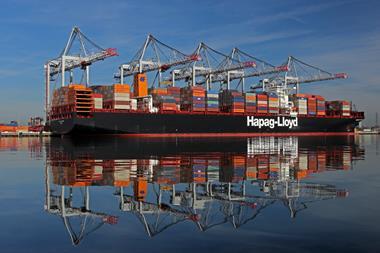
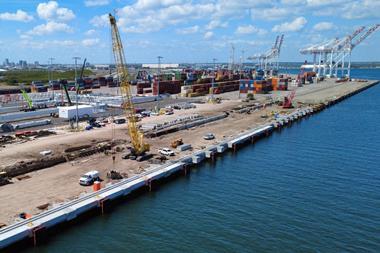
Ports are dynamic, high-energy environments. From ship loading and unloading to container handling, heavy lifting and landside logistics, operations rarely stop - and neither does the noise.

Despite improvements in regulation and awareness, noise-induced hearing loss remains one of the most common occupational health conditions encountered in clinical practice. It is also one of the most preventable.
Audiologists regularly see patients who have spent their careers in the port sector and related industries. Many only seek help later in life, once hearing loss has begun to affect their day-to-day communication and quality of life. Unfortunately, by that stage, the damage is permanent, and the focus shifts from prevention to management.
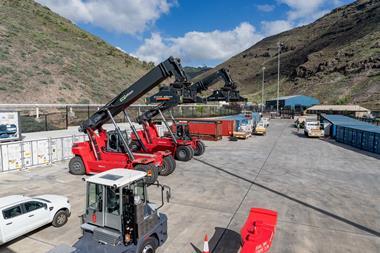
Port environments expose workers to sustained and often intense noise. Ship engines, auxiliary generators, cargo handling equipment, straddle carriers, reach stackers, forklifts and HGV movements all contribute to elevated background levels. Metal-on-metal impact during loading, reversing alarms, pneumatic tools and maintenance works can push noise levels even higher.
Hearing is at risk once exposure reaches 85 decibels (dB). Heavy vehicles and plant equipment commonly operate between 85 and 105dB, and close-range impact or engine noise can exceed this. As sound levels increase, the length of time the ear can tolerate exposure without damage reduces sharply - in some cases to only minutes.
Legislation
This is why legislation in the UK is so clear. Under the Control of Noise at Work Regulations, employers are required to assess noise risks, provide appropriate hearing protection and carry out health surveillance where necessary. At 85dB, hearing protection must be provided, and at 87dB, exposure limits are exceeded even with protection. These requirements are not arbitrary. Once hearing is damaged, it cannot be restored.
Noise-induced hearing loss develops gradually. A common early sign is tinnitus, or ringing in the ears, particularly following noise exposure. While this may initially be temporary, repeated exposure prevents recovery, and permanent hearing loss can develop over time.
Clinics see characteristic patterns of high-frequency damage that affect the ability to understand speech. Many workers are already retired by the time the impact becomes obvious, long after prevention was possible.
Excessive noise also affects more than hearing alone. Prolonged exposure activates the body’s stress response, increasing heart rate and placing strain on the nervous system. Over time, this can have wider implications for overall health.
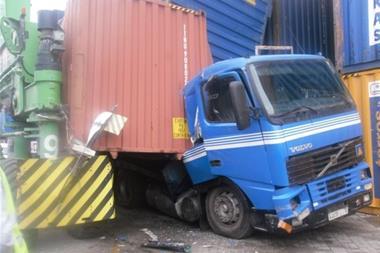
In the port sector, hearing is not just about communication, it is vital to safety as workers rely on sound to remain aware of moving vehicles, crane operations, vessel manoeuvres and warning alarms. Untreated hearing loss, especially when one ear is affected more than the other, reduces the ability to judge sound direction. In busy dockside environments, maintaining strong situational awareness is essential.
Early hearing damage often makes it hard to follow conversations in noisy settings. Over time, this can lead to frustration and withdrawal from conversations and social situations. Identifying these changes early is crucial.
Hearing protection
Hearing protection is therefore essential, but effectiveness depends on fit and consistent use. Foam earplugs are widely used on sites involved in heavy machinery sectors and offer some protection, but their performance varies. Poor fit, discomfort and inconsistent use all reduce their effectiveness.
From a clinical perspective, custom-moulded earplugs offer the most reliable solution. Made specifically for the individual, they provide a secure and comfortable fit, improving both protection and compliance. Many include acoustic filters, which reduce harmful noise while allowing important sounds, such as speech and warning signals, to remain audible. In particularly noisy environments, combining moulded earplugs with over-ear defenders offers additional protection without compromising safety.
Regular hearing assessments also play a vital role. Establishing a baseline hearing test, followed by ongoing monitoring, allows changes to be identified early. Symptoms such as persistent tinnitus, difficulty hearing in noise or a difference between ears should always be assessed promptly.
Protecting hearing is not simply a regulatory requirement. It is a matter of long-term health, safety and quality of life, both during a working career and well beyond it. Hearing loss may be permanent, but in the vast majority of cases, it is preventable when the right steps are taken early.