



The No 1 proponent of protectionism
Comparatively recently, details of an opportunity were circulated relating to the development of a container gateway in the Crimean port of Sevastopol.
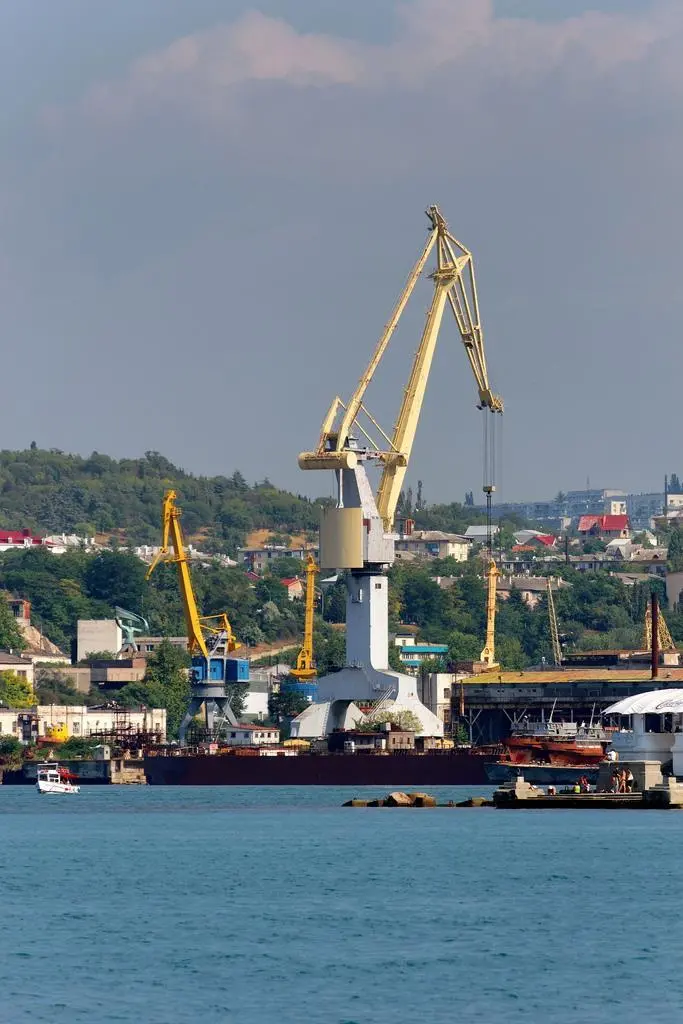
So far as it is possible to ascertain no one took up this opportunity; there were practical considerations such as lack of draft but also doubts concerning its projected role as a gateway for both Ukraine and Russian cargo.
Recent events, specifically Russia’s annexation of the Crimea, doubtless make potential investors glad that the conditions weren’t right for investment in Sevastopol. The opportunity was effectively a new business start-up and maintaining momentum at this time would be difficult. In fairness, it may have been a different story with the takeover of an existing business.
The way events have transpired, however, is perhaps not entirely surprising considering given Russia’s protectionist nature. The 2013 Global Trade Alert (GTA), a respected independent trade monitoring service, identified Russia as putting in place more protectionist policies than any other country. “Russia alone,” it reports, “accounted for 20% of the protectionist policies worldwide.”
And in the context of the single customs union formed between Russia, Belarus and Kazakhstan – an emerging trading block – GTA states that: “The customs union was responsible for 15 times as many protectionist measures as China while having only an eighth of the population.”
It additionally offers the view that: “Russia’s policy of economic restructuring is nothing more than a potent mix of rampant subsidisation and aggressive protectionism,” introduced principally because nothing else had worked. Harsh words indeed.
Russia joined the World Trade Organisation in 2012 but clearly its protectionist measures and now effective end to participation in G8, the club for wealthy nations, as well as escalating sanctions point to a more isolated trading role in the future.
Russian container trade in 2013 did increase, up from 4.92m teu in 2012 to 5.18m teu. It is noticeable, however, that in the Baltic region where the vast majority of Russian container traffic is handled, traffic was static at 2.9m teu. The prospects for any positive movement from this position are not good given Russia’s underlying approach and current tensions.