




Machinations of Washington D.C build a confused picture
There is an old cliché along the lines of “…the only constant is change…,” and it is applicable now. Barry Parker
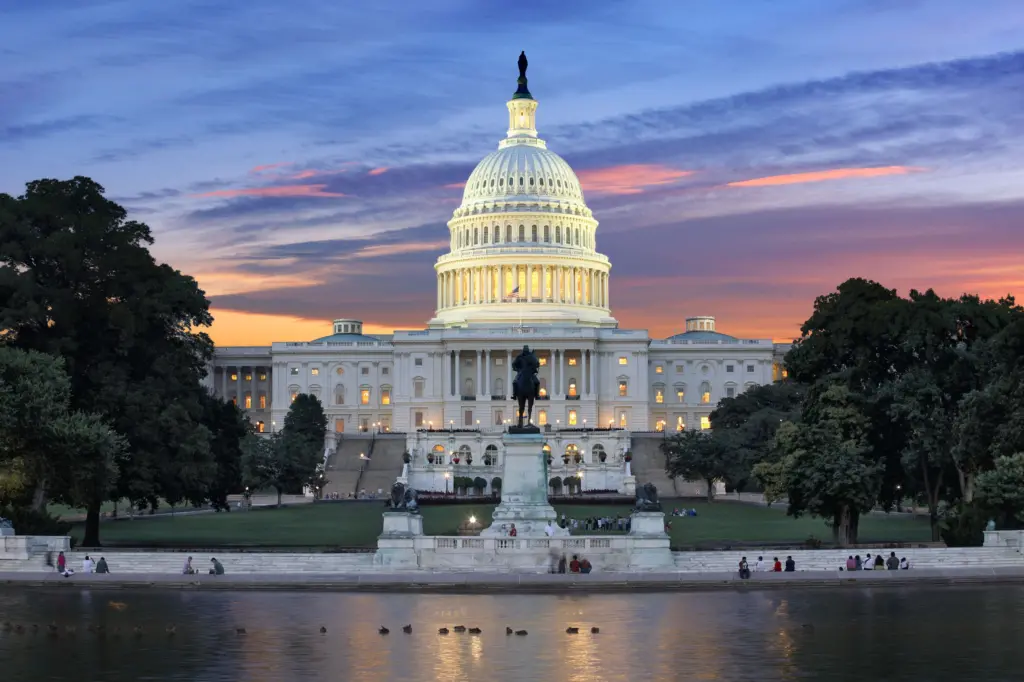
Mid-August, as this comment is being prepared, is the beginning of Iteration #3 on the Jones Act waivers, initiated in mid-March (60 days) with a follow up in May (90 days). It also marks 60 days after the initiation of the “Memorandum of Understanding” between the US and Iran. Closer to home, the Jones Act (dating back to 1920, and- according to some maritime historians, based on longer-standing practices), requires that ships trading between US ports must be built in the States, owned by USTit entities (leave that one to the lawyers) and crewed by US mariners. The duration of the latest round is 90 days, meaning that its expiry will occur two weeks after the upcoming mid-term elections.
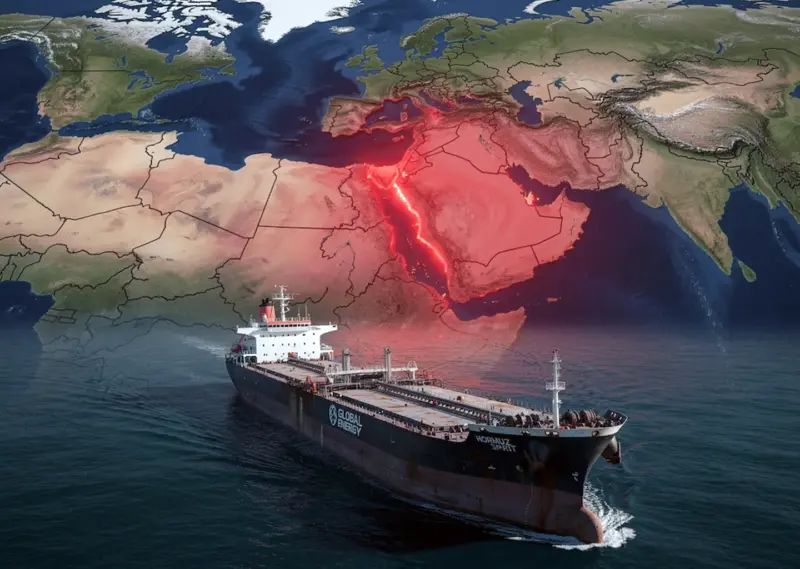
Besides the elections, the situation with the Iran war adds to the turbulence; these hostilities are not unrelated to the waivers, where part of the justification is to enable movements of fuels tied to military/ defence efforts. The waiver conversation is complicated, and there have been intense campaigns by both sides to put their points of view across.
It is clear to me that the US should have an ocean-going commercial fleet for supply chain continuity (and to support military/defense, if need be). On the other hand, it Is hard to argue with the lines on the maps prepared by folks tracking waiver liftings, showing patterns of cargo moves not seen previously (or, at least intensified post-waivers).
For port planners impacted, who may have already seen the changing complexion of vessel traffic, hopefully they have been able to accommodate these shifts in port traffic. The oil markets, a major driver of affected trades, are difficult to predict; crude oil seems calmer than anticipated, perhaps due to a production boom in the USA, while the product side has seen spikes and volatility. As if commodity markets were hard enough to predict, then factor in the impact of the Iran war (and, to a lesser extent state-side, the Ukraine war), and planners will be doing a lot of head scratching.
And then, we have the elections, really the ultimate head-scratcher. Some insiders, in media reports, have suggested that the Trump administration has been looking for an opportunity to implement modifications to the Jones Act. Add tariffs, and vessel routing workarounds to the mix, and renewed considerations of penalties on certain vessels…. I will be observing all this from the sidelines. For me (a one-time trader of bulk shipping freight and some energy commodities), I will be watching, but would not even try to guess at all the machinations that may come out of Washington, D.C.
For the planners, schedulers and business development folks who do not have the luxury of just throwing their arms up in the air and shaking their heads… keep a “weather eye” on all these items, and be flexible, where possible. There is an old cliché along the lines of “…the only constant is change…,” and it is applicable now.
Related Articles
 INSIGHT & OPINION
 INSIGHT & OPINION
 INSIGHT & OPINION