



A problem that is growing in size
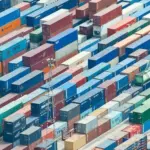
Over the last fifty years containerised shipping vessels have steadily increased in size, with Maersk now building Triple-E class vessels with a capacity of 18,000 teu.
When dealing with vessels that large, it is evident that even a small discrepancy between declared and actual container weights could result in a declared total cargo weight that bears no resemblance to the actual cargo weight.
Chapter VI of the Convention on the Safety of Life at Sea (SOLAS) places an obligation on the shipper to provide gross container mass prior to vessel stowage. There is, however, no requirement that the container weight be verified, and no enforcement action is taken against shippers who make inaccurate declarations. Existing regulation is therefore arguably inadequate.
In response to a series of incidents caused or exacerbated by mis-declared container weights, the World Shipping Council together with the International Chamber of Shipping released best practice guidelines in 2008 emphasising the responsibility of shippers to make accurate weight declarations in respect of cargoes.
Little, however, appears to have changed. A year after the guidelines were released a serious container stack collapse occurred on the Husky Racer during discharge and loading operations. Seven top-of-stack containers, shown on the ship’s plan to be empty, were found to contain between 15t and 30t of goods. Eighteen containers went overboard.
In 2011, instability caused the container ship Deneb to capsize in port in Algeciras. Following investigation into the incident, 16 of the 168 containers onboard were found to weigh in total 278t above their declared weight of 93t.
Incidents like these serve to highlight the inadequacy of the regulatory regime as it currently stands.
Related Articles
 NEWS
NEWS
 CONTAINER & CARGO HANDLING
 OPERATIONS