


EU ports vunerable to sulphur legislation
Baltic and UK ports will be “especially vulnerable” to new Sulphur Emission Control Area (ECA) regulations which may increase bunker fuel prices by 87%, David Balston of the UK Chamber of Shipping told Port Strategy.
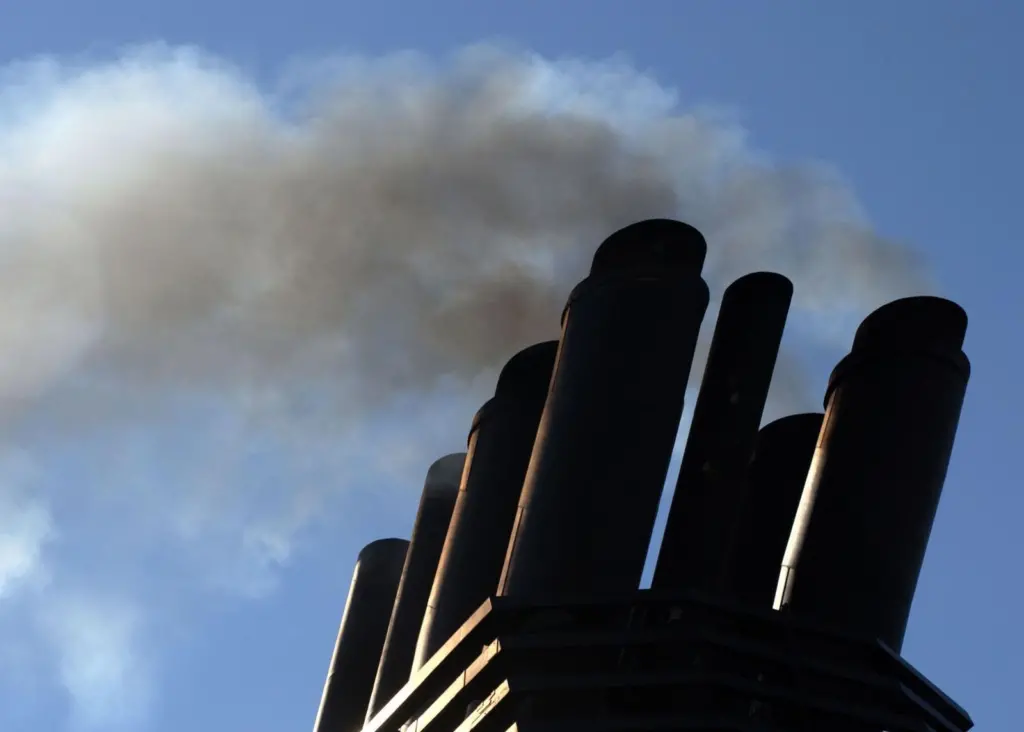
Mr Balston said the ECA regulations that will come into effect in 2015 will have a huge impact in the Baltic, North Sea and the Channel ports. “Costs could be dramatic,” he says, adding a number of studies have been carried out, putting the burden at somewhere between €1bn and €4bn a year in total.
He predicts a situation where “cargo would be re-routed” away from ports that got caught in the ECA zones. Further, Theo Notteboom of the Institute of Transport and Maritime Management, Antwerp pointed out that there are complex dynamics. “Even relatively small traffic losses – for example, 10% to 20% less cargo – on existing shortsea services can trigger a vicious cycle of capacity reduction, combined with shifts between shortsea routes.”
Mr Balston added some of the likely major consequences of applying 0.1% low sulphur fuel include an average activity shift of 50% from sea to land in ECAs, increasing congestion and road pollution, raising fuel prices and undermining current efforts to reduce road freight by promoting short sea shipping.
His remarks follow Maritime UK’s report on the investigation into the effects of new legislation in ECAs in response to a call for evidence from the UK’s Transport Select Committee on the issue. The limits applicable in ECAs were reduced from 1.5% to 1% in 2010 and are planned to be further reduced to 0.1%, effective from 1 January 2015. There are also provisions for sulphur caps in marine fuels for vessels in ports.
Moreover, although Maritime UK said it does recognise the sulphur problem, it predicted an additional 12 million tonnes of carbon emissions in Europe alone through hydro-treating heavy fuel oil to meet requirements, so any “net environmental benefits” of sulphur reduction will be lost.
Related Articles
 EXPANSION & DEVELOPMENT
 PORT & TERMINAL NEWS
 PORT & TERMINAL NEWS