




Liner shipping: out with the new and back with the old
Out with the new and back with the old as carriers revert to market share strategies that further collapse freight rates and re-structuring of partnerships.
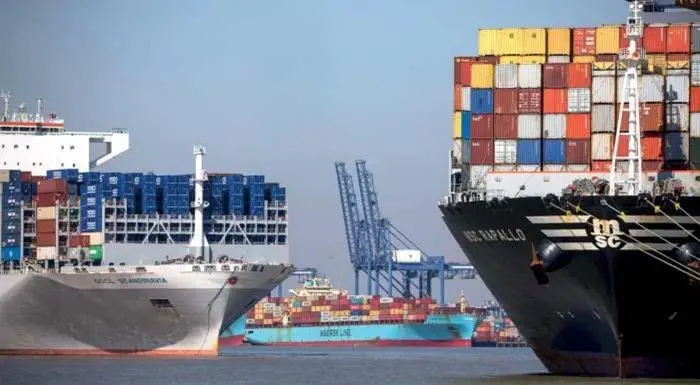
Liner shipping follows an age-old strategy when it comes to an imbalance in supply and demand. Fight tooth and nail for every container that is available to maintain as high a market share as possible even in the knowledge that this will drive freight rates to the floor. We have already heard comments from various carrier CEOs to that effect, despite the fact that most of them have full orderbooks for vessels of all sizes, justified perhaps, in their eyes as they are “greener” than the current fleet which is too young to scrap.
When the three big alliances came together not that many years ago the assumption was that it would be easier to manage capacity by reducing the number of port calls within individual strings and capacity within the alliances as needed to maintain the equilibrium with demand. Well, that went out the window by mid 2022 when the pandemic ended, and demand began to lag as inventories were cleared out as the economic environment became foggy.
The first sign that something was amiss came with the message from Maersk and MSC that they will not be renewing their alliance agreement. It came as a shock to the industry but it should not have done so, as these two independent-minded companies have such different strategies that they could not withstand the pressures of the downturn that was facing them. The “new” norm that was touted in 2021 had no chance to survive the twin collapse of cargo volume and freight rates. The vast profits earnt earlier are quickly being spent on ordering new ships with greener engines and investments not directly linked with ocean transport.
As so often in the past, carriers reverted to form by indicating they are entering into a price war strategy just as their orderbook was growing. The question is, how do you manage a strategy to fill your slots on an alliance vessel when your supposed allies using the same vessel, are doing the same thing?
So as a consequence we should not be surprised to see at least one of the two remaining alliances break up early, possibly re-juxtaposing itself into new groupings. THE Alliance is possibly the most stable.
As the old norm returns, little has changed other than the huge profits made in the last two years.
Related Articles
 INSIGHT & OPINION
 INSIGHT & OPINION
 INSIGHT & OPINION