

Iran’s ports face return to harder times
The US withdrawal from the JCPOA (nuclear) agreement will mean the re-entry of direct sanctions against Iran’s port operators alongside those aimed at South Shipping and IRISL lines, according to UK P&I Club-Thomas Miller.
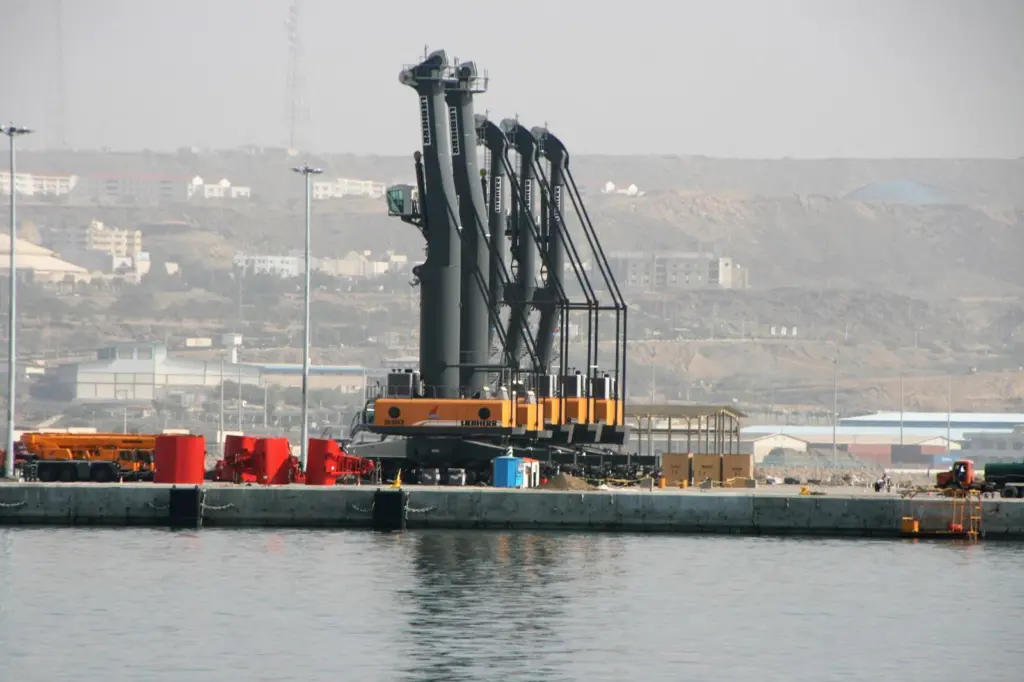
Energy exports are also likely to be hit by the return of a broad swath of penalties and according to media reports, France’s Total has said it will pull out of a joint gas project if it can’t win an exemption.
Since 2015, European businesses such as PSA, Renault, Daimler, Airbus, Total and Shell have been climbing on the bandwagon of Iranian growth, pressing home a requirement for raised export capacities and giving rise to port development MoUs. Buoyed by this interest, 13 contracts worth 100tr Rials ($2.4bn) were signed last December between Iran’s private sector and its Ports and Maritime Organization (PMO).
The return of sanctions may pull the rug from these plans which include a 10tr Rials ($240m) upgrade to Iran’s largest port, Shahid Rajaee and a new box terminal at Imam Khomeini. It could also potentially hit Chabahar, earmarked as a hub with links into Afghanistan and Central Asia.
Martin Mannion of AECOM explained the news “included a threat to those firms who trade with Iran and then wish to trade with the US”, although he added it “may take some time to resolve the extent of trade impact”.
However, while many will probably need to keep on the right side of the US, a few, like China, may now be considering how much it will cost them to pick up at least some of the pieces.
Related Articles
 PORT & TERMINAL NEWS
 PORT & TERMINAL NEWS
 PORT & TERMINAL NEWS