


Thinking big on digitalisation, data and infrastructure funding
If my inbox is any indication, 2023 is going to be another big year for D and D – not demurrage and detention (or Dungeons and Dragons!!!), but, rather, digitalisation and data.
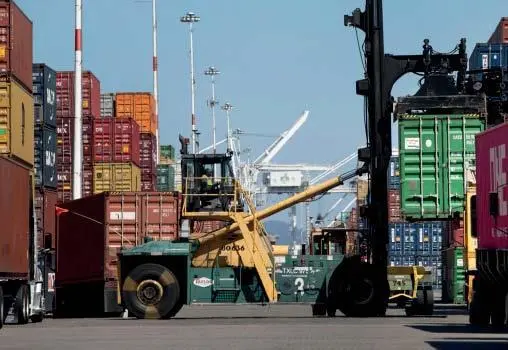
This is not new; it’s a wave that continues to grow, with no sign of cresting right away. Ports can play an important role here, but there needs to be a move away from the fragmentation that has characterised data efforts. There is a cliché about each port being unique, but there are many commonalities embedded into how business information flows.
Worth noting now is a review of the International Maritime Organization (IMO) of its Global Integrated Shipping Information System (GISIS), which includes information about ports (among its more than two dozen modules). According to the IMO, “The review process aims to evaluate the functionality of each GISIS module in depth and identify specific actions to improve the portal and the overall user experience.” While some parts of GISIS deal with international treaties administered through the IMO, others deal with nitty gritty detail, for example, one module includes a list of reception facilities for waste from vessels.
In the United States, more traditional infrastructure (think about wharves and rail spurs) is receiving attention- and increased funding. The U.S. Department of Transportation (“DOT”) announced that around $660 million of Port Infrastructure Development grants will be available for The fiscal year 2023. PIDP investment in projects that would: “… modernise our nation’s ports and help strengthen our supply chains for generations to come…” Planners should be recognizing the importance of information “readiness” in terminal design, with some important voices advocating for automation to enhance flows (which would help avoid 2021-style supply chain backups).
And, of course, that other D- decarbonization, will be seeing renewed attention, with all-important meetings of the IMO’s environmental protection committee scheduled for June. Ports will have an increasingly important role to play here; vessel operations (and port calls) are an integral part of the vessel trading patterns which, in turn, impact ratings given to vessels under new IMO regulations
The U.S. DOT grants are seeing an increased focus on this “D”- with electrification and shore power projects likely to garner
a growing share of the funding – handled through the Maritime Administration (MARAD), an integral part of the U.S. DOT.
Related Articles
 INSIGHT & OPINION
 INSIGHT & OPINION
 INSIGHT & OPINION