




Cracking down on Canal concerns
COMMENT: The appearance of cracks in one of the sills in the Cocoli Locks at the Pacific end of the new Panama Canal may not be the only factor to slow down the system’s full exploitation, writes Mike Mundy.
At the time of Port Strategy going to press, no official view was forthcoming of the potential impact of the cracks in the locks in terms of delaying the opening of the Canal, planned for mid-2016.
This aside, however, it is worth noting that full exploitation of the Canal by container liner operators employing beyond panamax size vessels promises to have a significant ramp up period associated with it.
Soundings taken among container vessel operators indicate that while the opening of the new Canal brings with it new commercial opportunities there is also a degree of caution required in getting to know how to transit it successfully with larger container vessels of up to 13,000 teu.
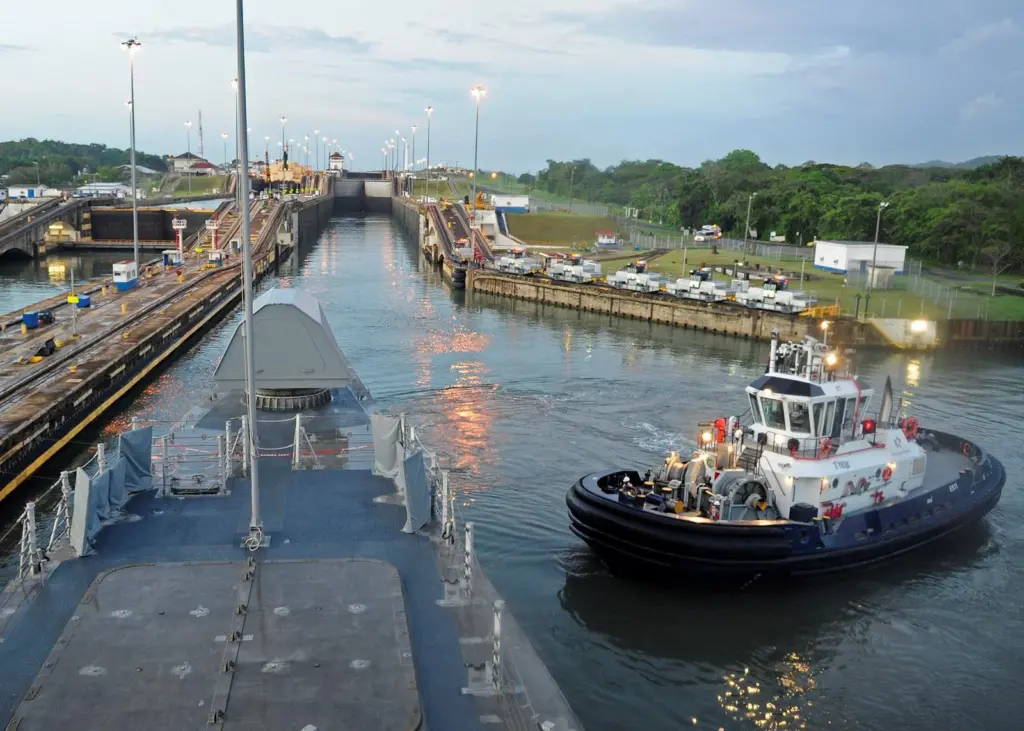
The system of getting vessels through the new Canal locks is very different from the existing one. There will be no ‘mules’ in the new locks – the electric trains that run along the dock walls and help align vessels correctly. This work instead will be heavily tug boat dependent – a factor that is reported to worry the tug boat captains involved. There is an acute awareness of the greater challenge involved in maneuvering a larger vessel and of the potentially larger consequential damage if things go wrong.
The Panama Canal Administration talks of a combined responsibility between tugboat captains and pilots for safely steering ships through the new locks. On the one hand, however, the tug boat captains complain about a lack of training and briefing regarding transiting the new locks and on the other Panama Canal pilots report a reluctance on the part of the Administration to incorporate suggested changes to their training programme based in Port Revel, France.
Given these circumstances, it is hardly surprising that has been no rush among liner operators to commit to full exploitation of the new lock system in the early days and months of its operation.