



Nigeria set for first ever deep sea port
Nigeria is set for its first ever deep sea port, estimated to cost N 216bn (US$ 1.354bn) after receiving approval from the Federal Executive Council (FEC).
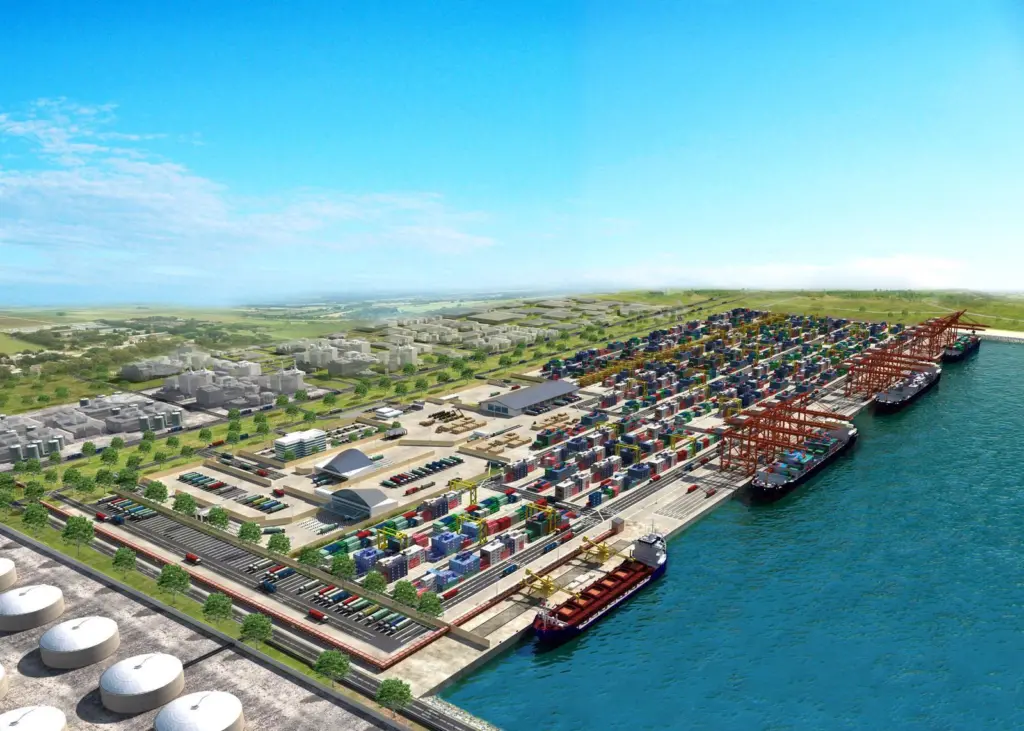
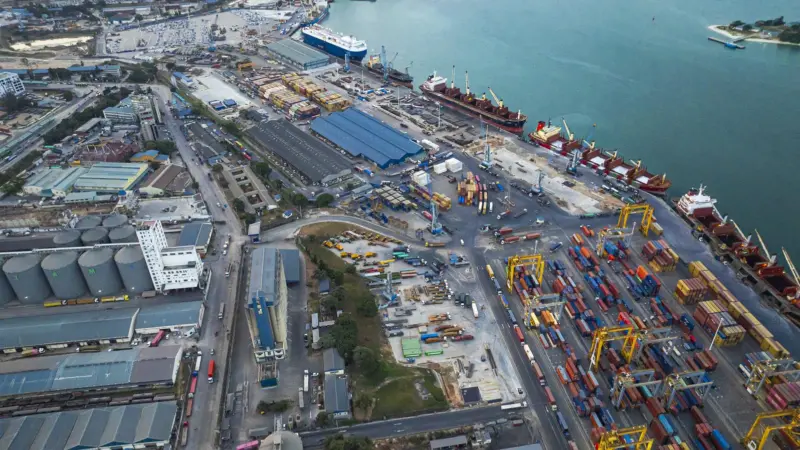
The Lekki Deep Sea port has been on the drawing board for a number of years as a solution to congestion in various ports in the country, including the Apapa Port.
Gagan Seksaria, chief financial officer and head of investments, International Container Terminal Services Inc (ICTSI) Africa region, told Port Strategy: “It will take port and related operations outside of downtown Lagos, Nigeria’s commercial capital. Ample space, great road connectivity and deep water shall allow for productive operations and in turn, greater supply chain efficiency and lower supply chain cost.”
Designed to handle four million tonnes of cargo, it is expected to cover an area of 90 hectares with room for expansion.
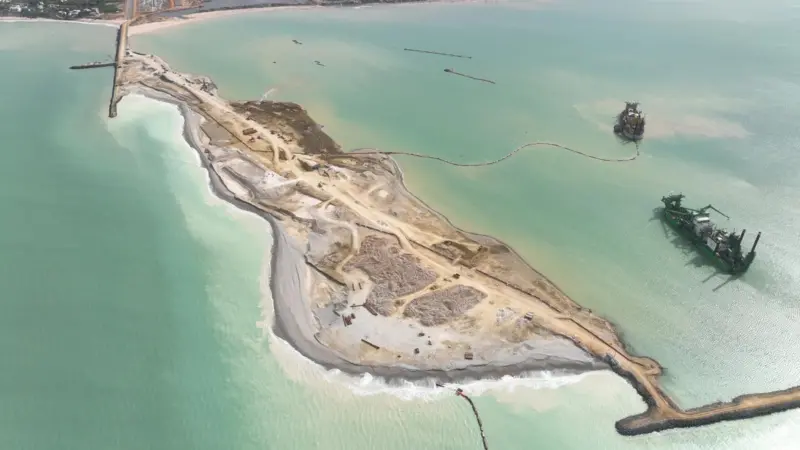
The channel leading to the port is to be dredged to a depth of 17.5m, with a width of 300m, enabling it to handle the largest vessels in the world and making it the deepest channel in West Africa.
“Lekki has regional significance in that it’s located within West Africa’s largest market and within a free zone, that will allow it to develop as the regional manufacturing and logistical hub,” Mr Seksaria added.
In early 2012, ICTSI signed a memorandum of understanding for the operation of the container terminal at the new port.
The Federal Government is expected to contribute 20% to the development of the port, while Lagos State Government will put forward 18.5%. Private investors are to contribute 61.85%.
Nigerian Ports Authority (NPA) is expected to reap over US$9.3bn from the port, made up of US$2.6bn from marine services and royalty and US$6.7bn from share of profits from the investments.
The port is expected to be completed within the next four years.
Related Articles
 PORT & TERMINAL NEWS
 PORT & TERMINAL NEWS
 PRODUCTS & SERVICES