
Sweden’s major ports have reported a solid, and in several areas record-breaking, 2025, underlining their growing importance for trade, logistics and passenger travel in a challenging European port landscape.
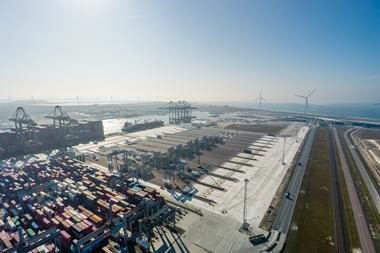
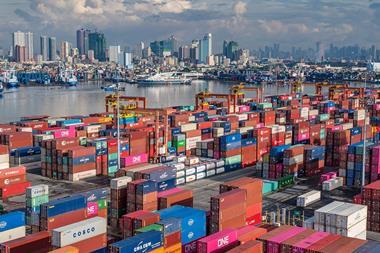
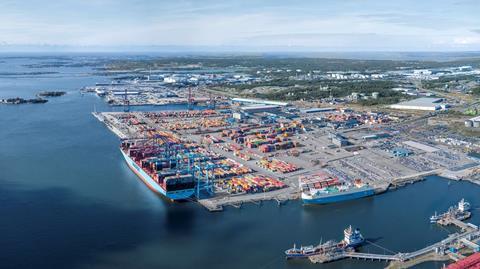
The Port of Gothenburg reached a new all-time high for container handling, with volumes rising 4% to 934,000 teu. The growth was driven by an expanded range of deep-sea services, including two new direct services to Asia, as well as strong rail connectivity and the ability to handle cargo flows redirected from congested continental ports.
READ MORE: Port of Gothenburg plays key logistics role
“Record volumes are proof that the port has become even more attractive as a logistics hub,” says Claes Sundmark, vice president sales & marketing at the Port of Gothenburg.
“Our expanded deep-sea network and Railport Scandinavia provide efficient access to the port for all of Sweden, while our terminal operators have been able to manage both existing and additional volumes.”
Rail transport continued to gain ground, with over 60% of containers moved by rail, reaching a record 529,000 tue. RoRo volumes were stable, vehicle handling showed a modest decline after a late-year recovery, and energy volumes rebounded in the second half of the year following planned maintenance shutdowns.
Ports of Stockholm also reported a positive year, with stable freight volumes and growing passenger traffic. Total freight reached nearly 7.5 million tonnes, supporting the region’s supply of goods, particularly for construction and infrastructure projects.
READ MORE: Sweden opens joint maritime centre
“It is gratifying to see positive growth in both passenger traffic and freight volumes,” said Johan Wallén, marketing and sales manager at Ports of Stockholm.
“Freight transport is vital to the region’s development, while increasing passenger traffic strengthens Stockholm’s position in the Baltic Sea.”
Passenger numbers rose across ferry and cruise segments. Nearly seven million ferry passengers travelled across the Baltic Sea, while cruise calls increased by 30% to 136, confirming Stockholm’s position as the Baltic Sea’s leading cruise destination.