



European ports push for rail reform
European ports have joined other transportation companies in highlighting the value of an effective rail freight network across the continent.
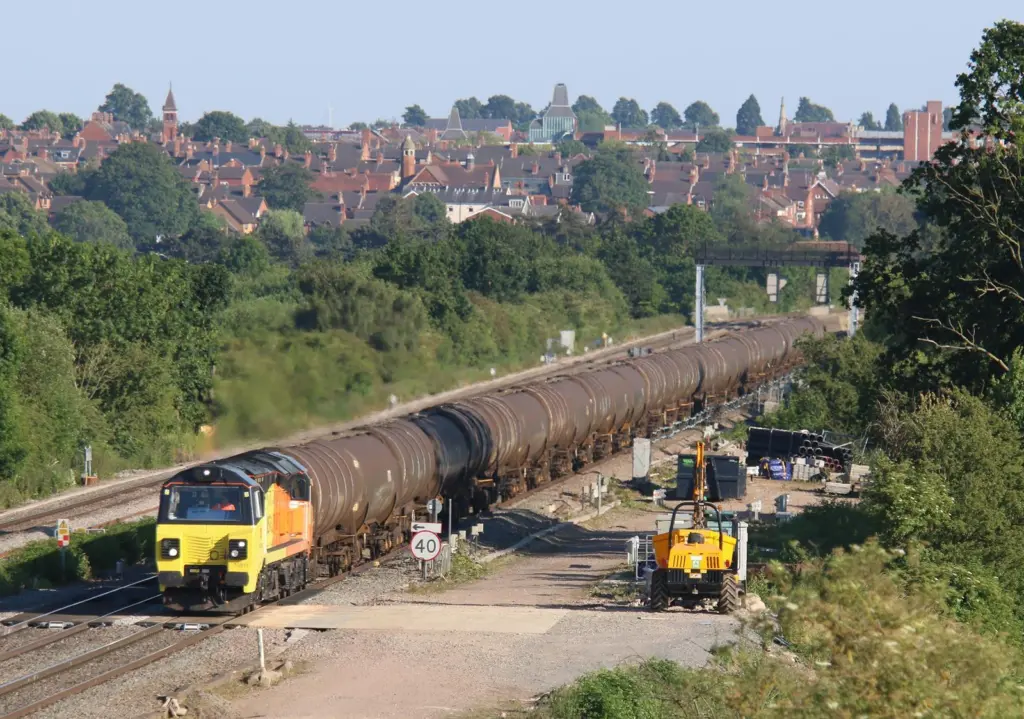
In an open letter to the European Council, Commission and Parliament, FEPORT joins the Association of European Vehicle Logistics, European Rail Freight Association and others to draw attention to key areas of discussion in the negotiations on the Railway Infrastructure Capacity Regulation.
“The demand for freight transport services in the European Union is increasing year on year,” says the letter.
“The reality today though is that rail freight is struggling to demonstrate its potential. A large part of this is because infrastructure management is still largely in the national domain with a strong focus on national and passenger needs.”
The new regulation is a unique opportunity to move towards a single network, say the signatories, and urge the trilogue partners to ‘move away from the status quo’ of network fragmentation.
In particular, the signatories recommend that:
- European frameworks are adopted through a process which allows them to be binding.
- The regulation introduces robust incentives to encourage capacity to be managed with a focus on the running of cross-border trains in line with their original train path.
- Any changes to a train path must be treated in its entirety, particularly those train paths which involve more than one infrastructure manager.
- The regulation requires the use of objective, transparent and balanced European socio-economic and environmental criteria for capacity allocation as an allocation method of last resort.
- The regulation defines a clear and independent governance structure which is steered by KPI’s with a focus on improved performance.
- A decisive role is granted to existing and potential path capacity applicants.
- The new regulatory framework should guarantee an improvement on the status quo achieved by the existing rail freight corridors.
Related Articles
 PORT & TERMINAL NEWS
 PORT & TERMINAL NEWS
 PORT & TERMINAL NEWS