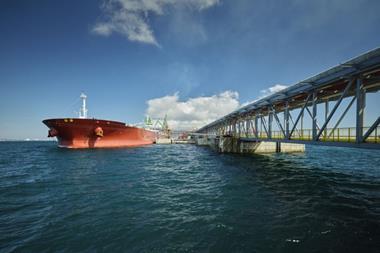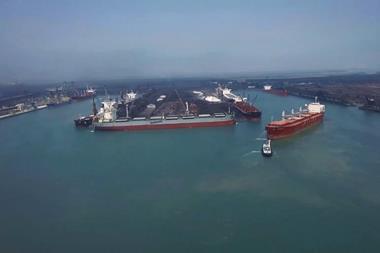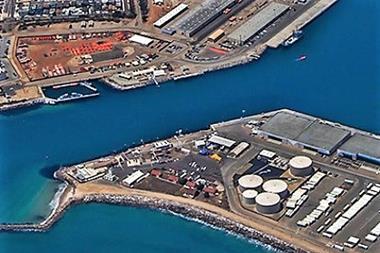




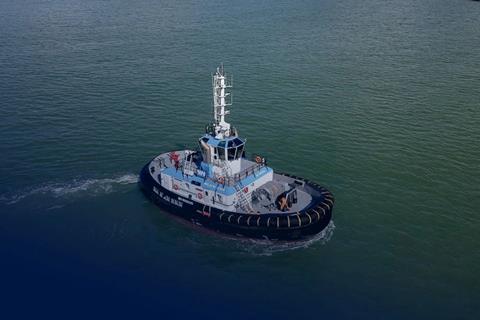
Vast Infraestrutura, Wilson Sons and Ferroport executed the first refuelling with Be8 BeVant on the tug at Ferroport’s iron ore facility aiming to decarbonise operations.
“This project has the potential to reduce indirect emissions for the port as a whole, also contributing to the reduction of Anglo American’s indirect emissions by decreasing Wilson Sons’ direct emissions,” said Edenilson Sanches, sustainability manager at Ferroport.
”It represents a joint effort by the entire port community to implement operations that are more energy-efficient and have lower carbon intensity.”
Drop-in fuel
The trial used a drop-in biodiesel developed by Be8 that can be deployed without engine modification, enabling immediate application across existing fleets.
This fuel, produced from soybean oil, animal fat and used cooking oil, offers up to a 99% reduction in CO₂ emissions compared with marine diesel.
During the testing phase, telemetry data from the tug WS Rosalvo will be used to assess performance, durability and emissions, supporting a final report for international certification.
The initiative forms part of Vast’s wider decarbonisation strategy to scale marine biofuels adoption across port vessels and reduce port emissions.
It builds on earlier trials using HVO renewable diesel in Wilson Sons’ tugboats operating at Porto do Açu as a substitute for marine diesel. This fuel handling operation took place at Vast’s Açu Liquid Terminal (TLA).
These initiatives are part of Vast’s decarbonisation strategy, which aims to encourage the use of biofuels in the maritime sector and promote increasingly sustainable operations at the company’s terminals.