


NEW NORMAL IS AS CLEAR AS MUD
COMMENT: Container carriers appear to have found the “yellow brick road” to recovery this year with strict capacity management, while the rest of the industry is in the doldrums, writes Ben Hackett.

As countries around the world slowly exited from their various “lockdowns” there was optimism that the worst was over and that it would be easy to get people back to work in factories and offices. It soon became clear that this was not going to be the case.
Big cities suffered as people continued to work from home. Service sectors suffered the most as foreign travel was not easy with quarantine rules in place.
The lockdowns played havoc with the economies to such an extent that the lack of growth during the Great Depression paled in comparison to the collapse in economic activity that virtually all countries experienced in the second quarter of 2020.
Europe and North America led the field in the collapse of Gross Domestic Production (GDP), with much of Asia and Latin America not far behind. The result is that the pandemic has pushed the global economy into what may be its deepest slump since the Great Depression.
Views differ on the impact on the level of trade. After a hesitant start, trade has re-bounded dramatically this summer, particularly on the Asia-Europe and Asia-US trade lanes. The Atlantic trade is slower to gain traction. With global trade projections ranging from -6 to -10 per cent the rest of the year is anyone’s guess.
Dry bulk shipping time charter rates, after an initial growth spurt have settled back, but tankers have suffered significant reductions in income due to the lack of demand for oil along with low prices.
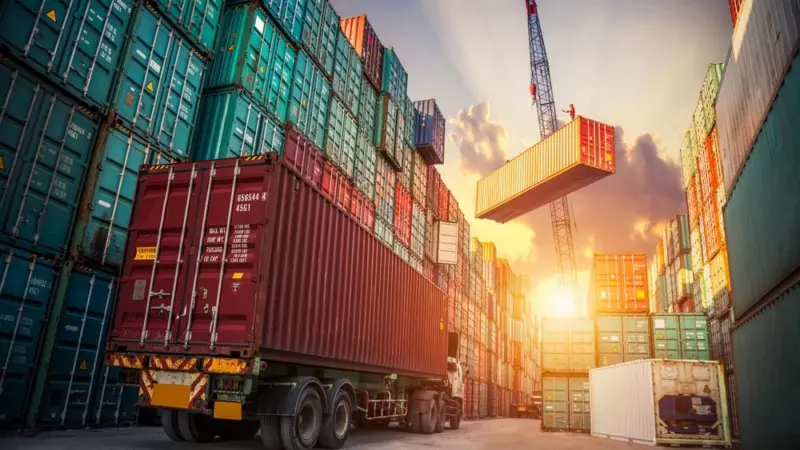
Only the container sector seems to have found the “yellow brick road” to recovery. For virtually the first time they have managed capacity without breaking ranks, obviously helped by the strength of the three super alliances along with cheap bunker prices. This has pushed up freight rates beyond what one would expect given global trade levels.
The port sector is seeing lower throughput of cargoes and investment in new ports is stifled due to COVID-19 uncertainty as fears of a second wave continue.
Concern remains about growth prospects. What the new normal will be is currently as clear as mud.
Related Articles
 INSIGHT & OPINION
 INSIGHT & OPINION
 INSIGHT & OPINION