




Tyne ups the stakes in smart port technology
The Port of Tyne is delivering on its vision to become a smart port, having partnered with BT and Ericsson to deploy its own 5G private network.
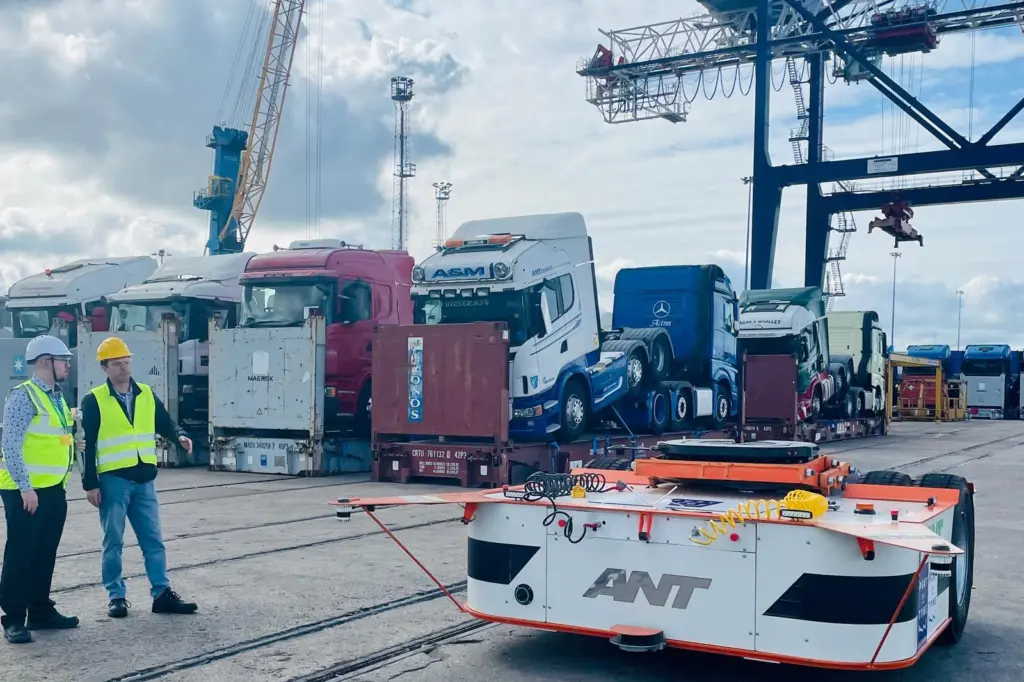
This is the UK’s first site-wide deployment of 4G and 5G standalone connectivity involving smart port applications.
“I believe that 5G is going to play a crucial role in helping Port of Tyne achieve our goals. We can streamline our operations, improve safety and sustainability, and drive growth and innovation throughout the entire maritime industry and beyond,” said Matthew Beeton, chief executive officer, Port of Tyne.
”With seamless connectivity, we can link shipping companies, logistics providers, and regulatory bodies from around the world, enabling us to work together more effectively to address global challenges like climate change and cybersecurity threats.”
Streamlining operations
Low latency connectivity is at the heart of the port’s long-term vision to streamline operations, improve safety, reduce carbon emissions and drive innovation.
The infrastructure is built upon an Ericsson Private 5G solution and BT spectrum, whereby both 4G and 5G will operate simultaneously to support legacy devices, as well as power new 5G applications in the port’s future transformation.
Work will begin in November, with video and sensors installed at each gate to use automatic number plate recognition (ANPR) to securely manage and track vehicle access. In addition, 5G-enabled cameras with a 360-degree view at the quayside combined with AI-driven software to provide automated container inspection and identification.
Future applications include autonomous navigation technology so that vehicles can move cargoes and equipment around the port and remote crane operations that will enable operators to work from simulated cabs with precise location information, full HD+ video and sensory haptics.
There is also a plan to connect drones at land and sea to autonomously inspect cranes, quayside, buoys and other physical infrastructure. Wearable technology and XR devices will be used for immersive training and remote maintenance engineers.
There will also be a connected eco-system of AI sensors, video and data sources from inside and outside the port to generate new business intelligence and improve operational efficiency.
The Port of Tyne has an ambitious vision to become a leader in 5G maritime innovation and provide an industry eco-system testbed to help build a future blueprint of 5G-enabled smart applications.
Its projects will be further discussed from 7 to 9 November at Maritime Innovation Week 2023.
Related Articles
 OPERATIONS
 OPERATIONS
 OPERATIONS