


Portland T6 cargo diversification needed
A multi-use terminal is believed to best support a sustainable business model for container shipping at the Port of Portland.
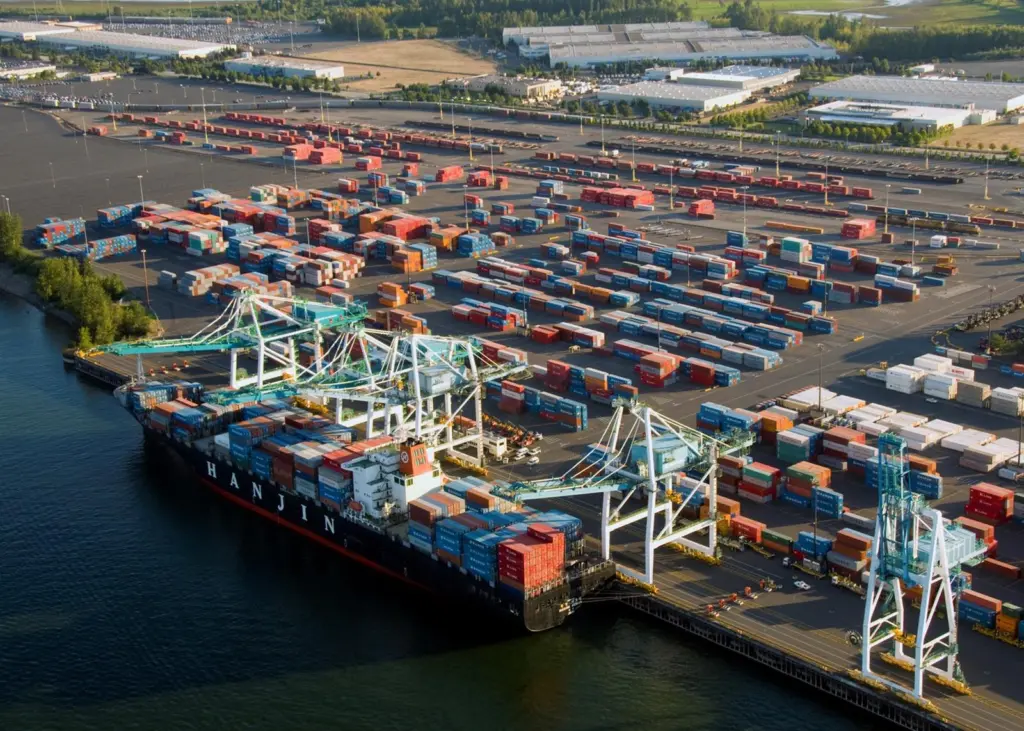
Research showed that because container volumes at the Oregon port’s Terminal 6 (T6) are lower than most West Coast ports – following a decline in activity, a financially sustainable terminal will require revenue from a diverse mix of cargo uses to support the container business.
“This analysis reinforced that there is no silver bullet for container service,” said Curtis Robinhold, executive director of the port. “With the strong backing of shippers, labor and businesses, I’m hopeful that we can continue to offer container service options for shippers at T-6, while ensuring long-term financial stability.”
Challenges ahead
The research acknowledged that Portland’s geography as a river port and marine industry consolidation pose challenges to recovery of weekly transpacific container service.
Key to the container facility’s success, the study found, is attracting carriers providing service to Asia that serve the region’s primary export and import markets, along with maintaining competitive terminal rates, keeping labour productivity levels at or above West Coast standards, reducing costs, and securing container volume support from the shipping community.
As a part of the study, the port convened an industry leader committee comprised of 23 members with diverse representation to provide industry knowledge and guidance to the port.
The port recently announced two new options for shippers: A rail shuttle from T-6 now offers a new way to move containers to and from Puget Sound ports for loading onto ocean bound vessels. The shuttle, in partnership with BNSF Railway, operates five days a week.
Swire Shipping now calls on T-6 every month, providing general cargo/container service to New Zealand/Australia and Asia.
Related Articles
 PORT & TERMINAL NEWS
 PORT & TERMINAL NEWS
 OPERATIONS