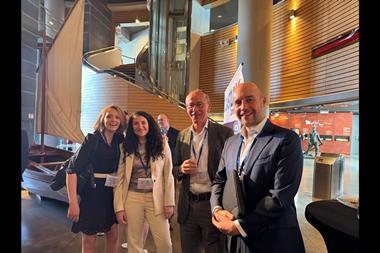
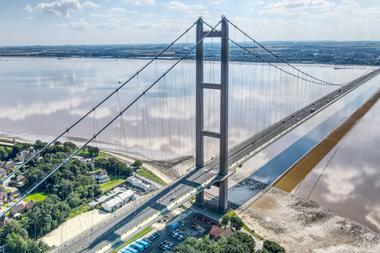
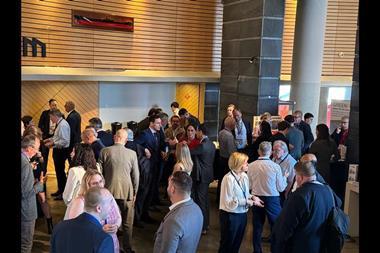
Coastlink delegates were given a guided tour of the Port of Hull, offering a clear view of the scale, diversity and capability that underpin its role within the UK’s logistics and energy networks. The port tour was lead by Edd Lumby and David Wragg, both Commercial Manager – Humber, ABP.
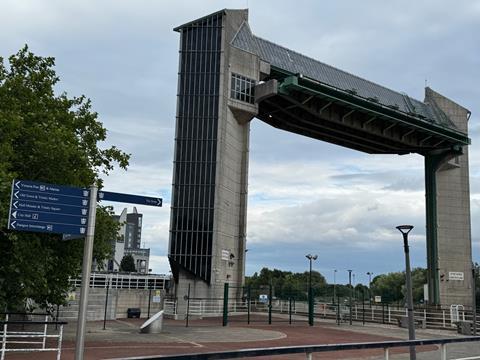
Coastlink delegates were given a guided tour of the Port of Hull, offering a clear view of the scale, diversity and capability that underpin its role within the UK’s logistics and energy networks. The port tour was lead by Edd Lumby and David Wragg, both Commercial Manager – Humber, ABP.
From the outset, the strength of the Humber cluster was evident. As highlighted during the tour, Lumby noted that it remains “the UK’s largest port complex… handling around 17% of UK trade,” reinforcing its position as a critical gateway for both domestic and international supply chains.
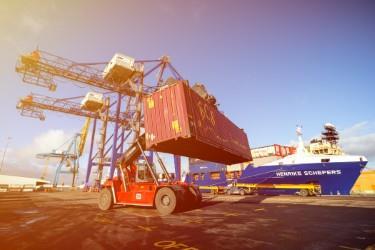
Across Hull, delegates saw a highly versatile port environment, where multiple terminals and operators handle a wide mix of cargoes including containers, ro-ro, bulk, project cargo and energy-related traffic. The ability to adapt quickly to changing demand was a clear theme, with space and infrastructure constantly evolving to support growth. As David Wragg noted, “as soon as any space becomes available, we’re… trying to fill it,” reflecting both the strong demand and the port’s commercial dynamism.
Port of Hull’s central role in the energy transition was also on display. Delegates passed major offshore wind facilities, where turbine components are manufactured, assembled and shipped out to the North Sea, alongside operations handling biomass and other energy-related cargoes. Project cargo movements, including heavy transformers supporting the UK grid, further demonstrated the port’s importance to national infrastructure and energy security.
Operational efficiency is another key strength. At Hull Container Terminal, HCT Manager Alex Cockcroft explained how streamlined processes and digital systems are delivering consistently strong performance, with HGV turnaround times “under 24 minutes” for both drop-off and collection. The use of flexible equipment, including reach stackers, allows the terminal to maintain fluid operations even as conditions change.
That focus on productivity extends to vessel operations, where continual improvements have enhanced throughput and reduced turnaround times. As Cockcroft outlined, some services can now be completed “with only a single crane operation,” highlighting efficiencies achieved across the terminal.
Throughout the visit, safety remained a consistent priority across all areas of the port. From controlled vehicle movements to site-wide procedures, operations are designed to ensure efficiency is matched by strong safety performance, with Cockcroft reinforcing that safety is “the number one priority… for everybody”
Overall, the tour highlighted a port that combines scale with flexibility, supporting a broad range of industries while continuing to evolve. With its mix of cargo capability, strong connectivity and growing role in the energy sector, the Port of Hull stands out as a dynamic and increasingly important hub within the UK’s maritime and logistics landscape.